A bridge between the past and the present
Text by Lise Bukier
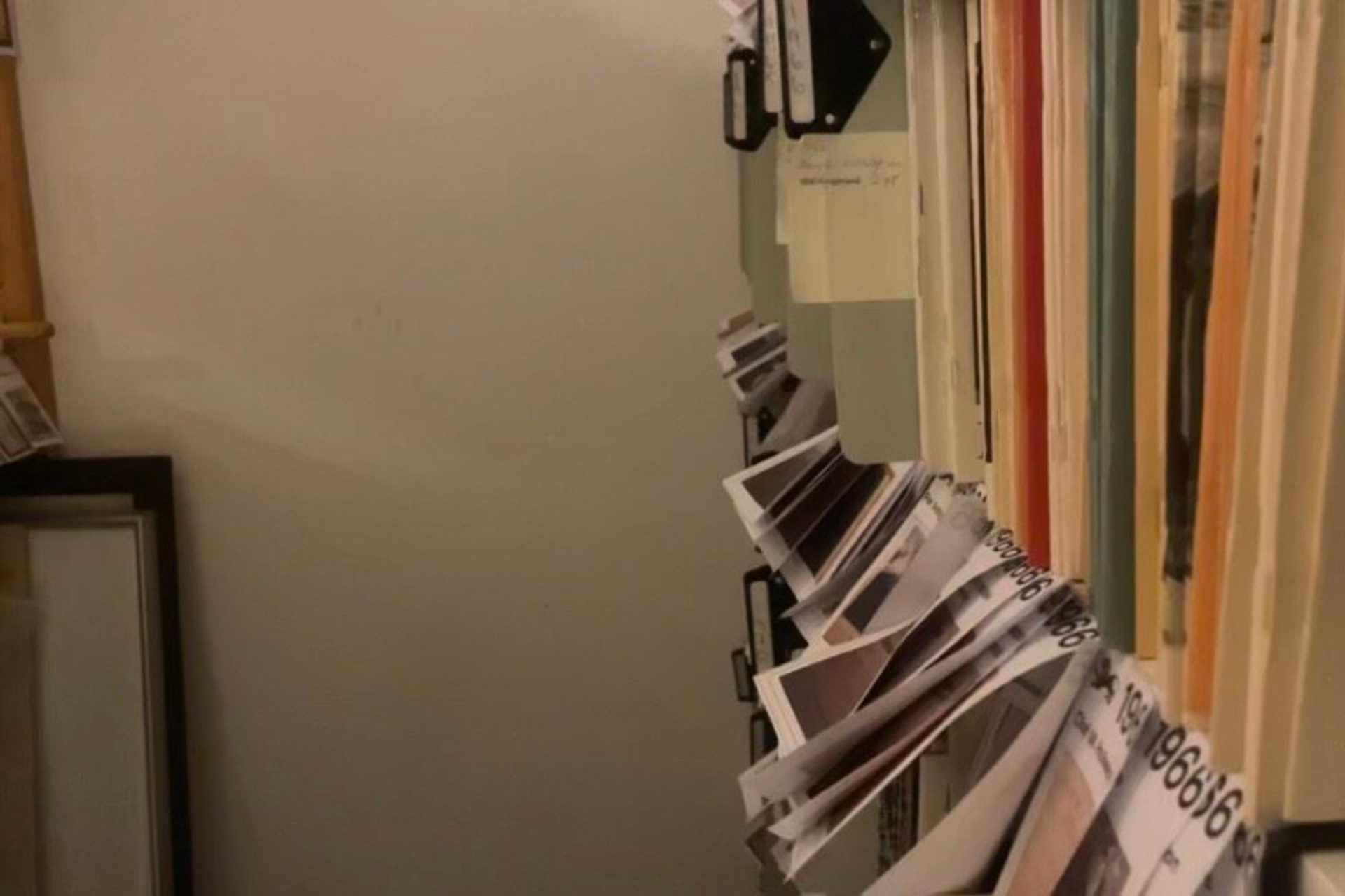
Did you know that we at Kunstnernes Hus are working to digitize our archive? On our website you can explore and immerse yourself in everything that has previously been shown at Huset.
Published
Click here to see the full exhibition archive
The digitizing
Over the past two months I have been working to further digitize the physical exhibition archive of Kunstnernes Hus. The focus fell on the lively 1990s, and a number of the exhibitions from 1990–99 are now available on the website with comprehensive information about the exhibitions and the artists, drawn from exhibition catalogues or external artist catalogues.
Here is an overview of exhibitions that have recently been made available digitally.
Something old, something new
A deep dive into the physical material opened up some unexpected connections between what has previously been shown here and what is being shown now. Several of the same motifs, reflections and concerns appear to recur, across time. There is no deliberate connection or direct line, but rather repetitions and returning questions that bind a selection of the exhibitions together. For me, this connection became visible in how two earlier exhibitions can be read in light of the most recent exhibitions, No Master Territories and Interrupted Futures.
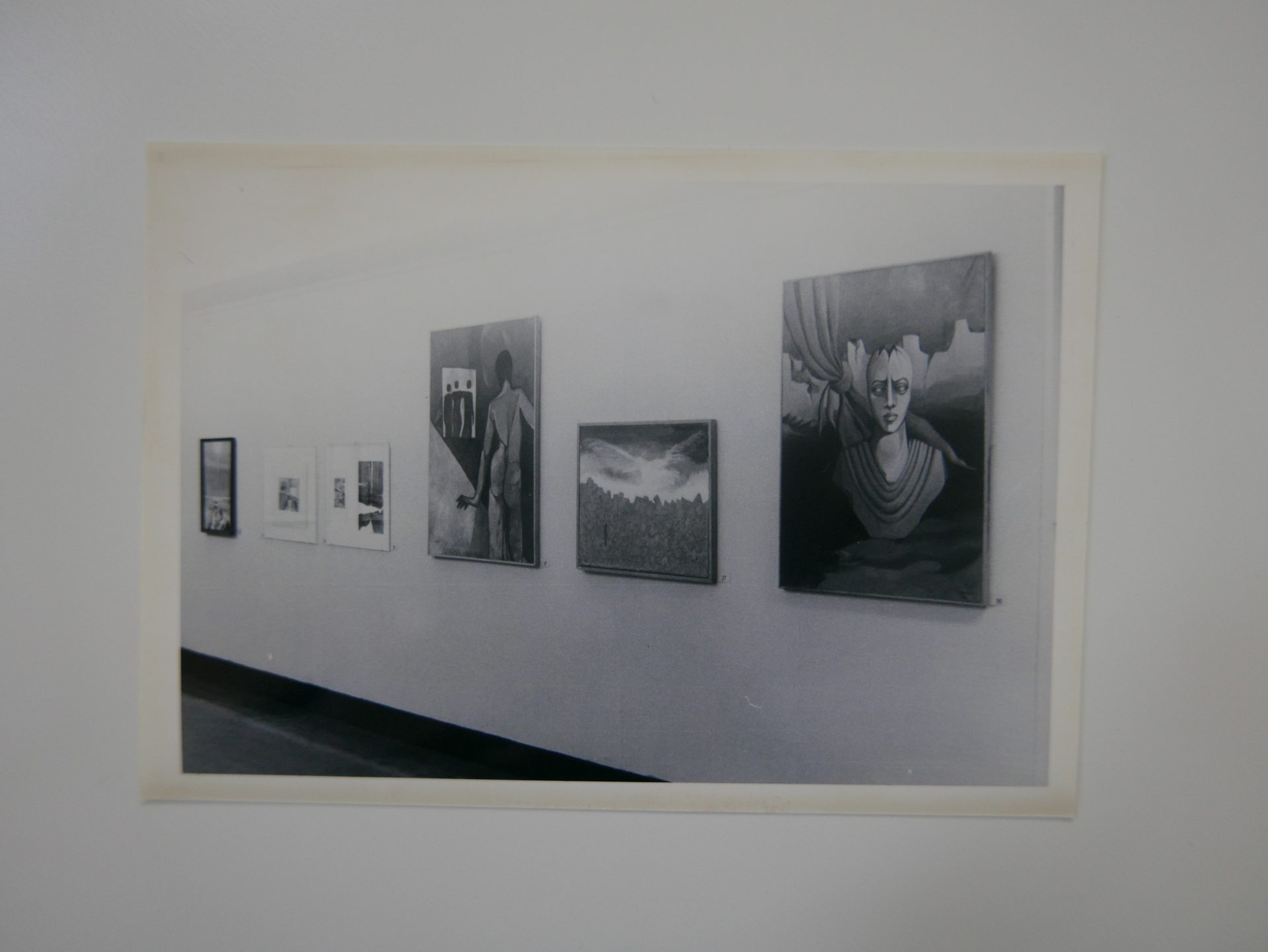
Palestinian Artists (1981) and Interrupted Futures (2026)
In 1981 we presented a comprehensive exhibition of Palestinian art, in which 16 artists showed 120 works. The exhibition, organised in part by sculptor Mona Saudi, highlighted how Palestinian artists worked and shaped a visual language under demanding political conditions and occupation. Here, the relationship between art and politics was made explicit. It was not merely a backdrop, but the very driving force of the artistic work, and an essential part of the Palestinian people's identity and broader struggle for freedom.
More than 40 years later, the same themes remain relevant, and present at Huset.
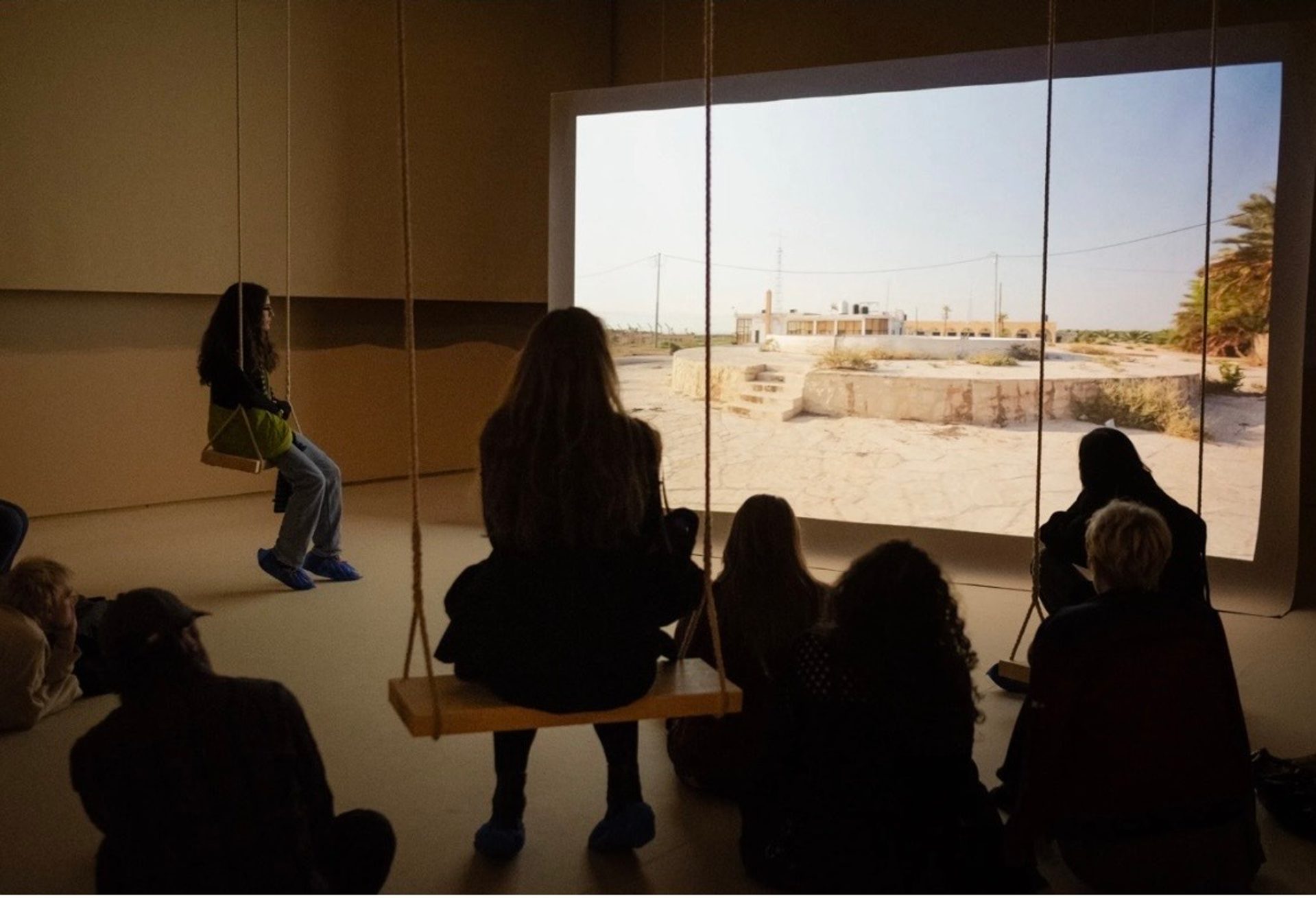
In the film Al-Mashrou', Shuruq Harb investigates the history of the Arab Development Society in the Jordan Valley – a project founded in the 1930s with a vision of Palestinian self-sufficiency. Through a weaving together of archival material and new footage, she shows how this project carried promises of autonomy, while simultaneously being shaped and constrained by imported models, political structures and dependence on international aid. The work points to how ideas of self-determination are not only developed from within, but are also shaped by external forces. The film underscores how these tensions continue to mark conceptions of what an independent Palestine might be.
Read more about Palestinian Artists here
Read more about Interrupted Futureshere
Louise Lawler, Cindy Sherman & Laurie Simmons (1993) and No Master Territories (2026)
In 1993, Louise Lawler, Cindy Sherman and Laurie Simmons took over Kunstnernes Hus with works that challenged the gaze. The photographs in this exhibition did not show women placed in front of the camera as passive subjects. Instead, one could see female artists actively taking control of perspective, staging the body and exposing photography as an ideological tool. The exhibition challenged a traditionally male, objectifying gaze, and a traditionally male-dominated art history.
More than 30 years later, many of the same perspectives circulate through the skylight halls.
No Master Territories explores what it means to see and be seen, who owns the image, who shapes and constructs it, and who is themselves shaped by it. The exhibition foregrounds film and video practices that have largely been excluded from established art and film history, as well as the feminist canon. Drawing on documentary and experimental film, the exhibition makes visible how these works have not only been marginalised, but also how they have actively challenged which images, stories and experiences are given space. By bringing forward this material and placing it in dialogue with contemporary society, the exhibition points to how absence, omission and power continue to shape both history and our ways of seeing.
Read more about Lawler, Sherman & Simmons here
Read more about No Master Territories here.
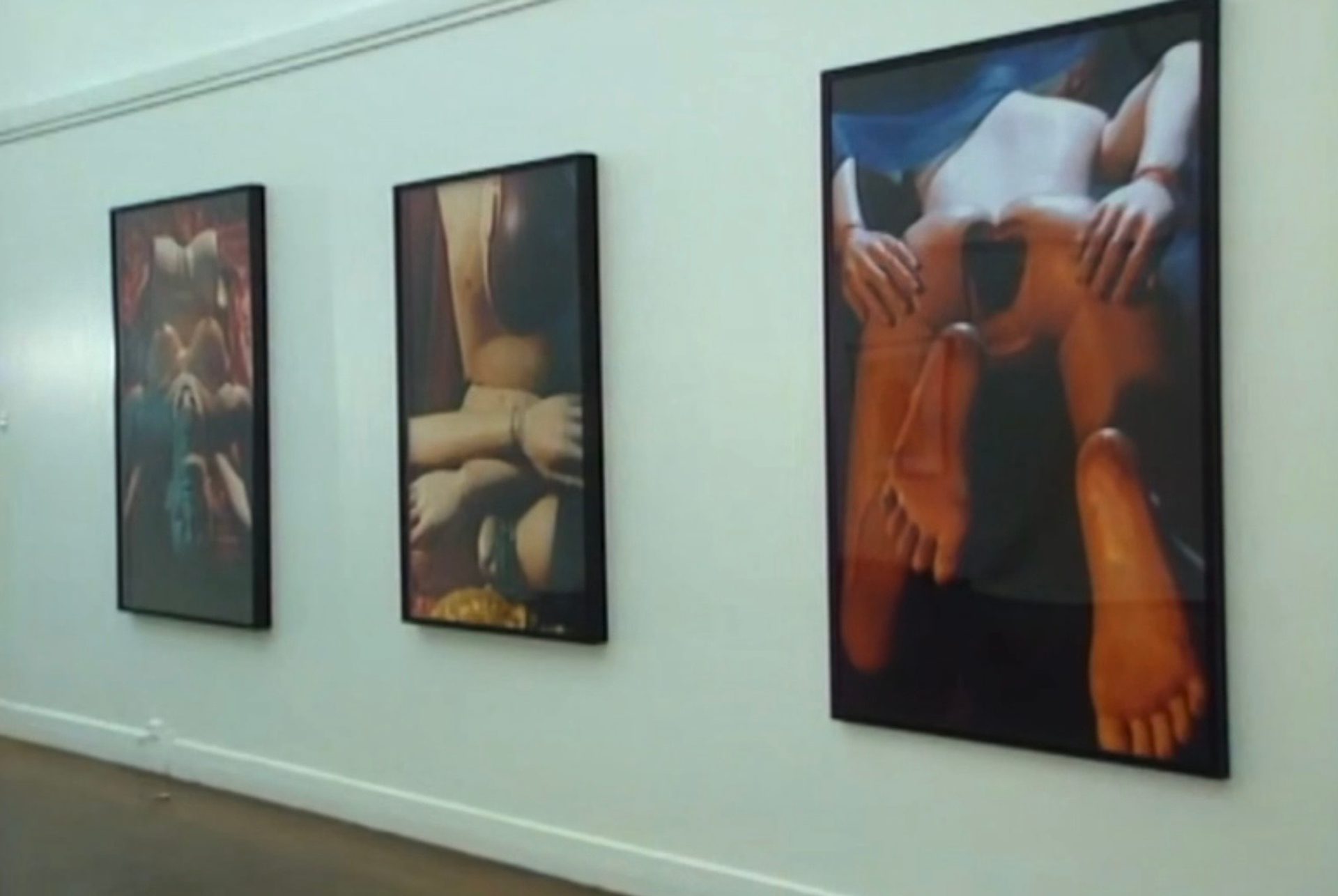
NRK. Kulturoperatørene, "Amerikanske fotografer stiller ut i Kunstnernes Hus", 09.02.93. 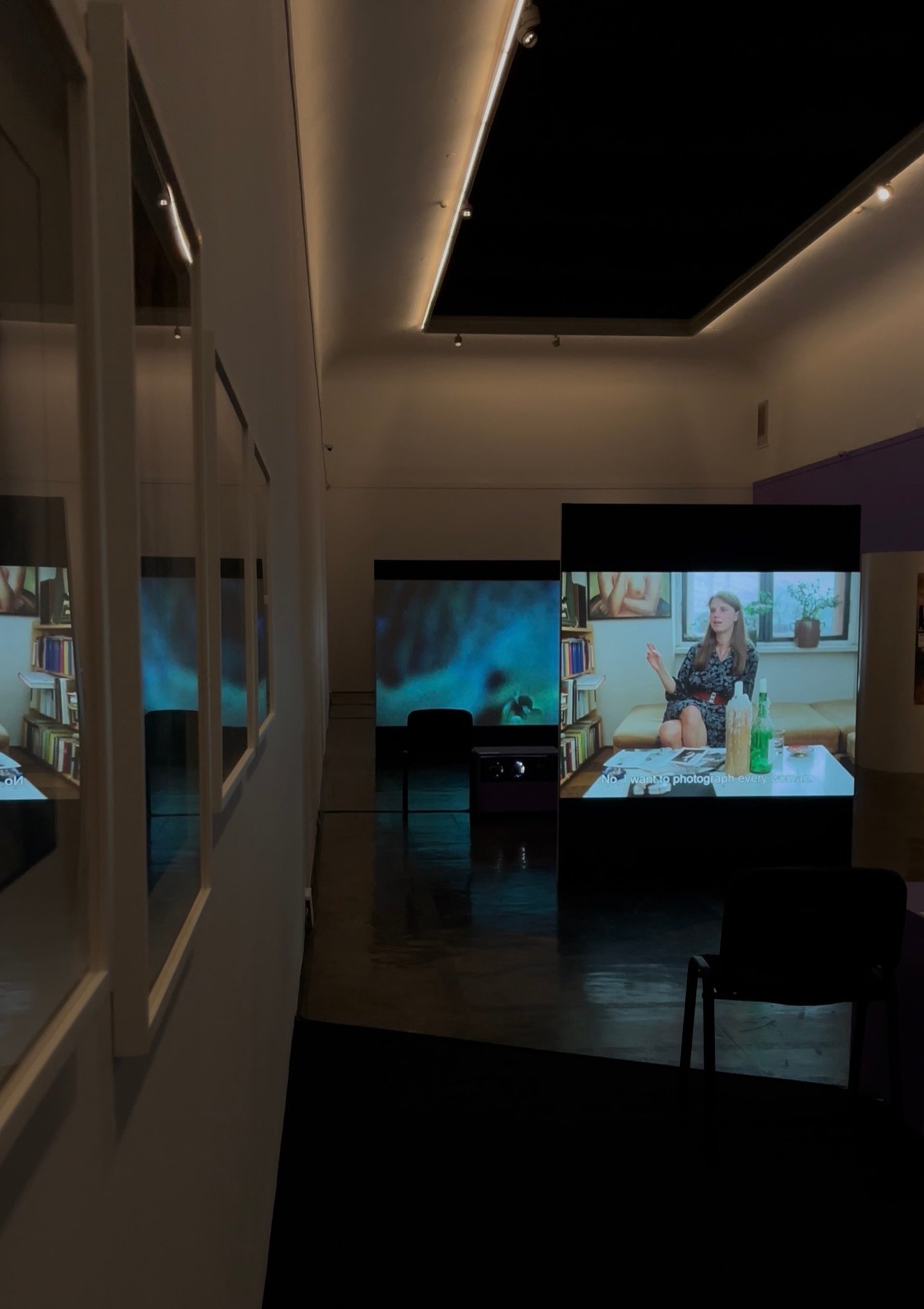
No Master Territories: Feminist Worldmaking and the Moving Image, 13.02.26 – 03.05.26, Photo: Lise Bukier 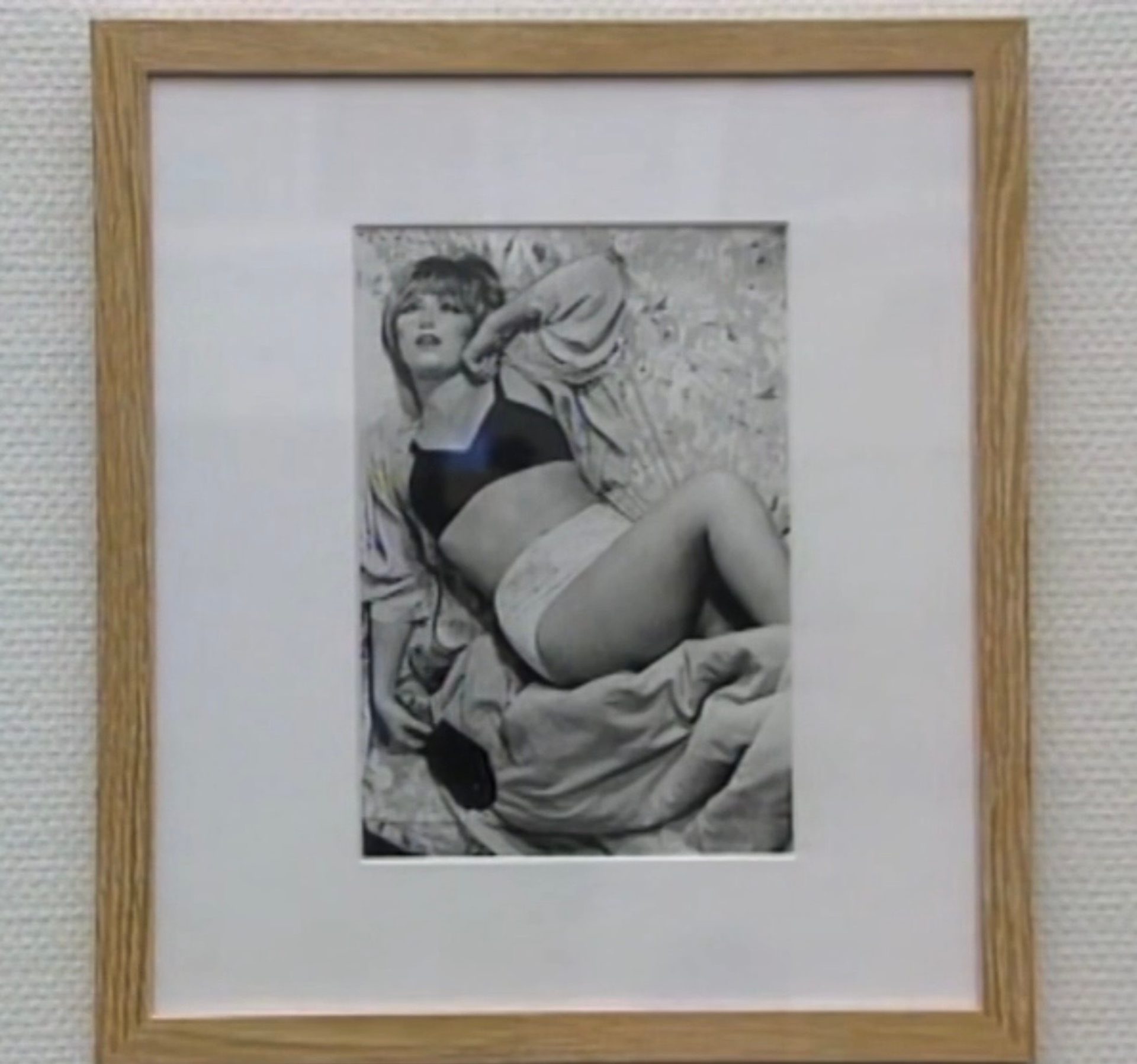
NRK. Kulturoperatørene, "Amerikanske fotografer stiller ut i Kunstnernes Hus", 09.02.93. 
No Master Territories: Feminist Worldmaking and the Moving Image, 13.02.26 – 03.05.26, Photo: Lise Bukier
Why digitize the archive?
The connections I have drawn are not exceptional cases. They are examples of something that repeats itself time and again when one immerses oneself in the archive. Themes of power, the gaze, identity, freedom and resistance have been present in Huset's programme for the better part of 100 years. This is not coincidental. It is an expression of who Kunstnernes Hus is, has been, and will continue to be. A digital archive makes these connections visible and accessible, not only to curators and art historians, but to everyone. Digitisation gives the archive a new function in the present. It offers the audience the opportunity to discover these connections for themselves, and to recognise that the exhibition they have just seen does not exist in a vacuum, but is part of a longer, ongoing conversation.
Placing past and present in dialogue can reveal that the questions art poses are rarely entirely new. They are reformulated, in new contexts, by new voices, but they spring from the same unwavering curiosity about the world and the people in it. Placing an exhibition from 1981 or 1993 alongside one from 2026 is not merely to reduce the present to a repetition. It is to give it depth. A work can take on a different weight when we know that artists have been asking the same questions here for decades, and that Huset has consistently given them space to do so. The archive can offer a layer of meaning that underlies everything we show today.