No Master Territories
Bridging the fields of documentary and experimental film and video, No Master Territories: Feminist Worldmaking and the Moving Image offers an expansive, intersectional account of underappreciated encounters between feminism and the moving image.
Artists
Peggy Ahwesh, Claudia von Alemann, Helena Amiradzibi, Anne Siri Bryhni / Laila Mikkelsen, Gloria Camiruaga, Grupo Chaski, Deepa Dhanraj, Sara Gómez, Barbara Hammer, Han Ok-hee, Mona Hatoum, Anne Haugsgjerd, Rut Hillarp, Narcisa Hirsch, Ana Victoria Jiménez, Mark Karbusicky / Mirha-Soleil Ross, Inghild Karlsen, Sandra Lahire, Inge-Lise Langfeldt, Maria Lassnig, Robin Laurie / Margot Nash, Helena Lindgren, Tuija Lindström, Vibeke Løkkeberg, Nalini Malani, Helke Misselwitz, Tracey Moffatt, Gunvor Nelson / Dorothy Wiley, Gwendolyn, Newsreel (Bev Grant / Karen Mitnick Liptak), Ulrike Ottinger, Paper Tiger Television, Letícia Parente, Alice Anne Parker (Severson), Jocelyne Saab, Claudia Schillinger, Gundula Schulze Eldowy, Leslie Thornton, Milica Tomić, Abisag Tüllmann, Agnès Varda, Joyce Wieland
About the Exhibition
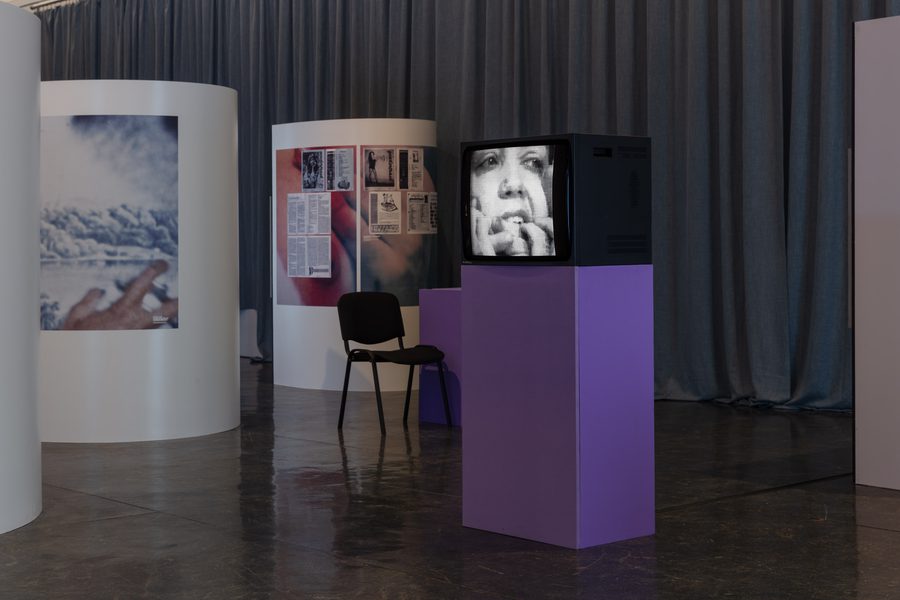
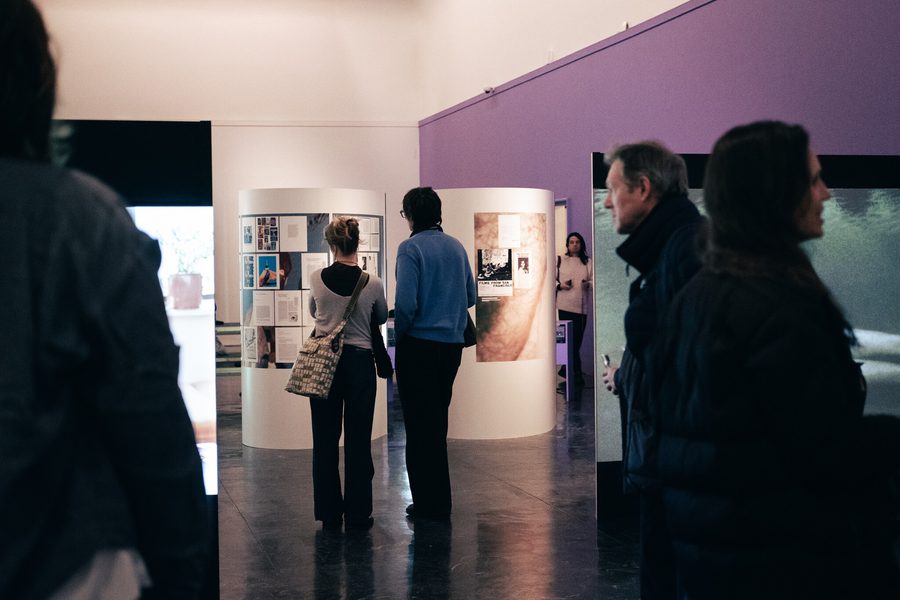
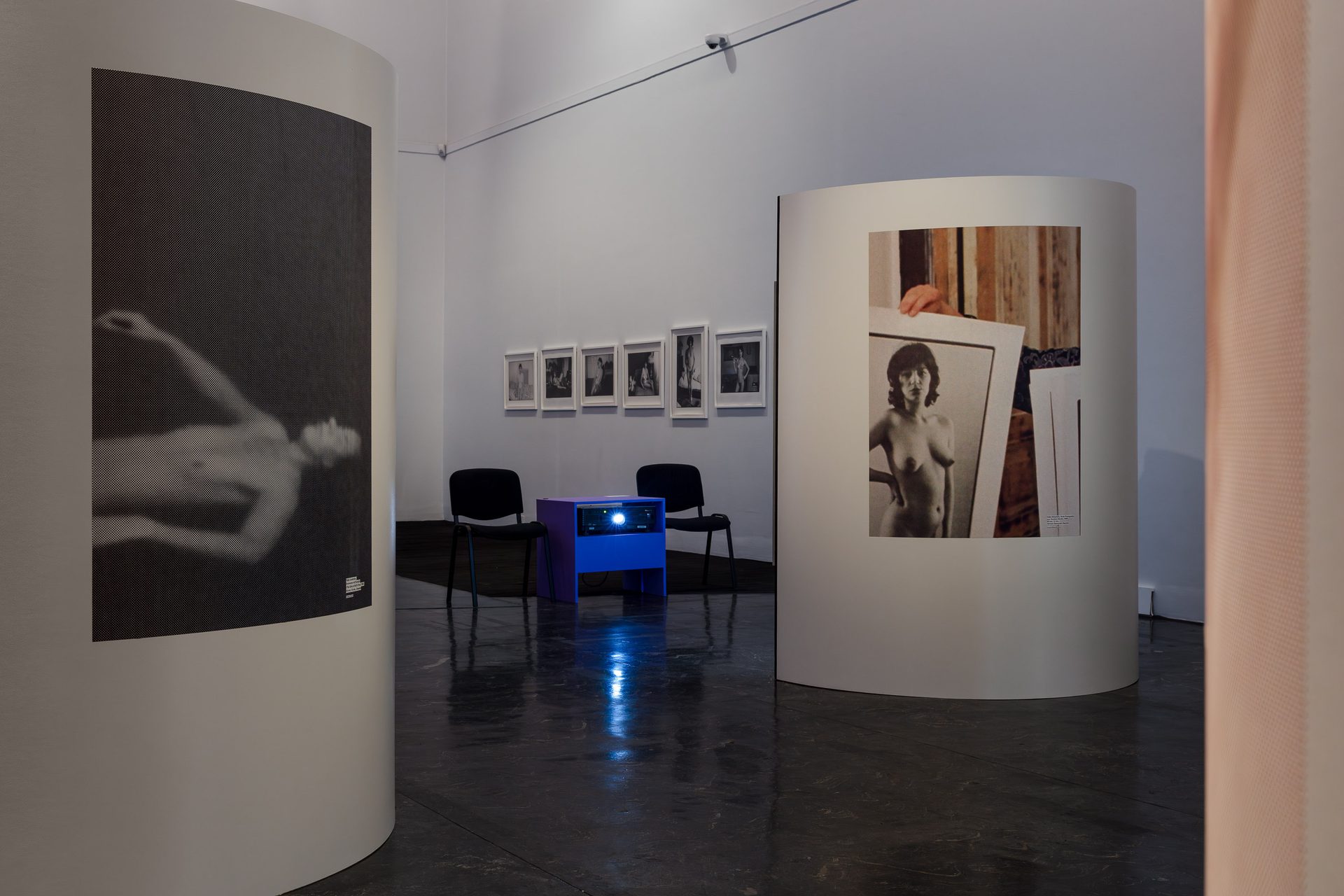
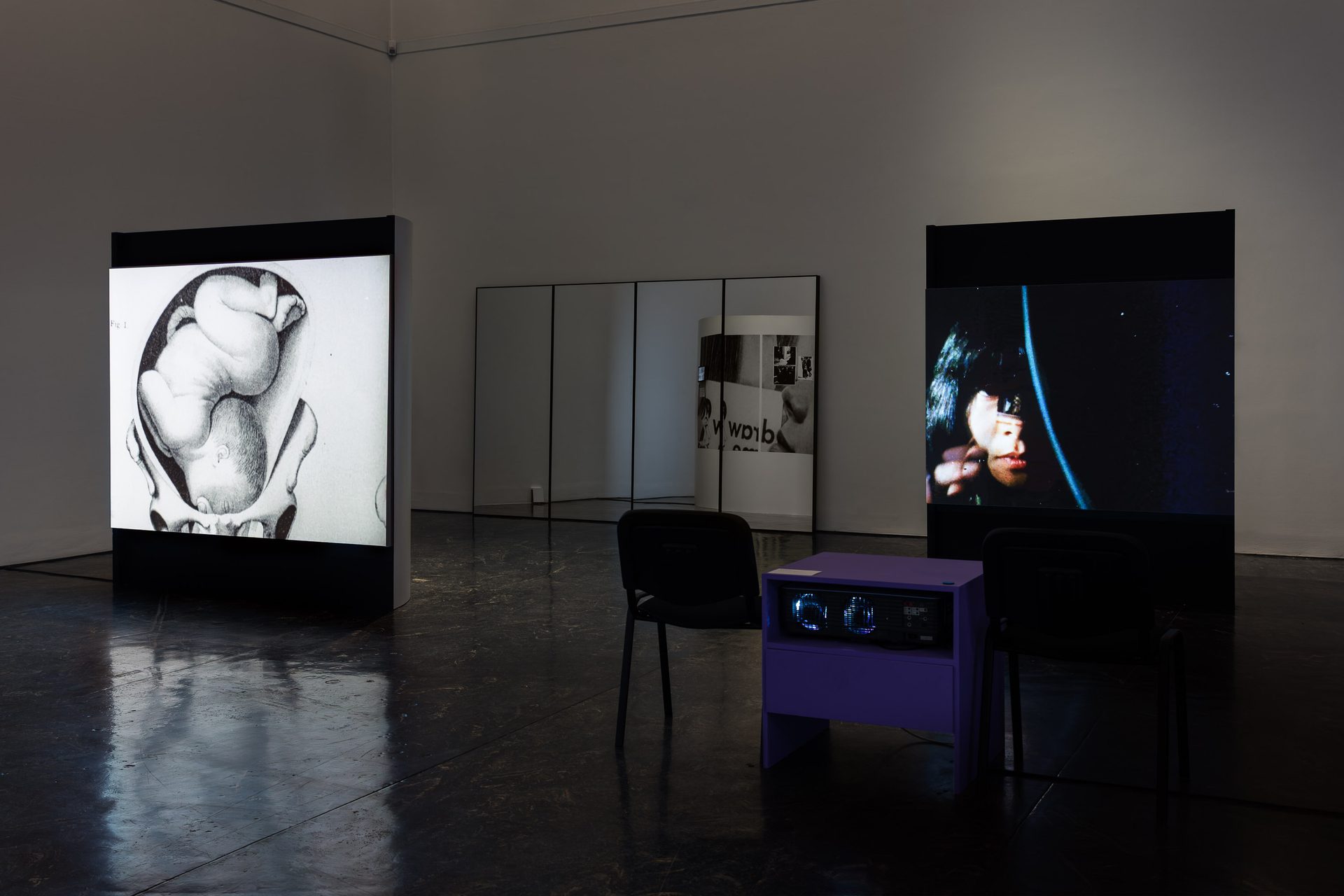
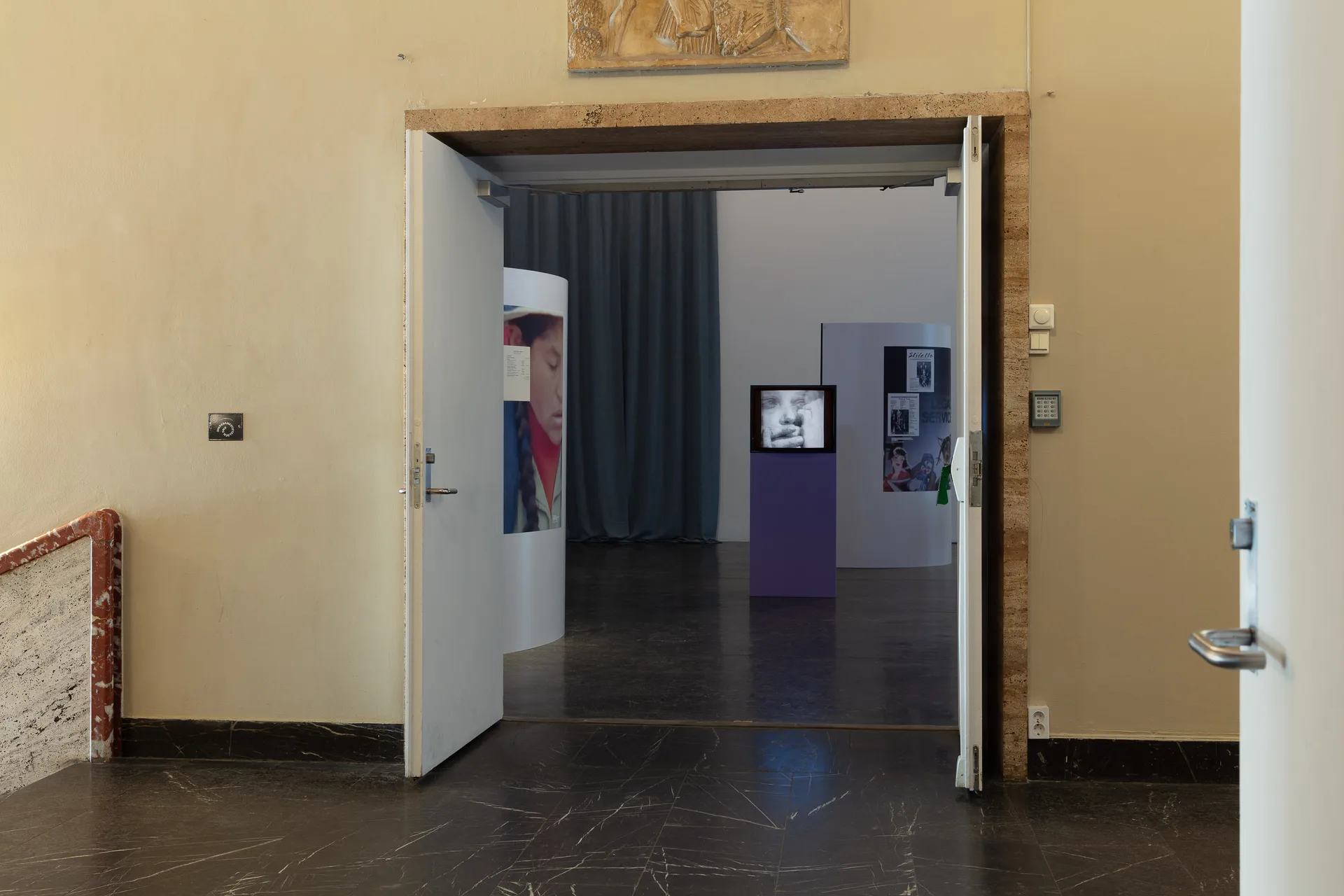
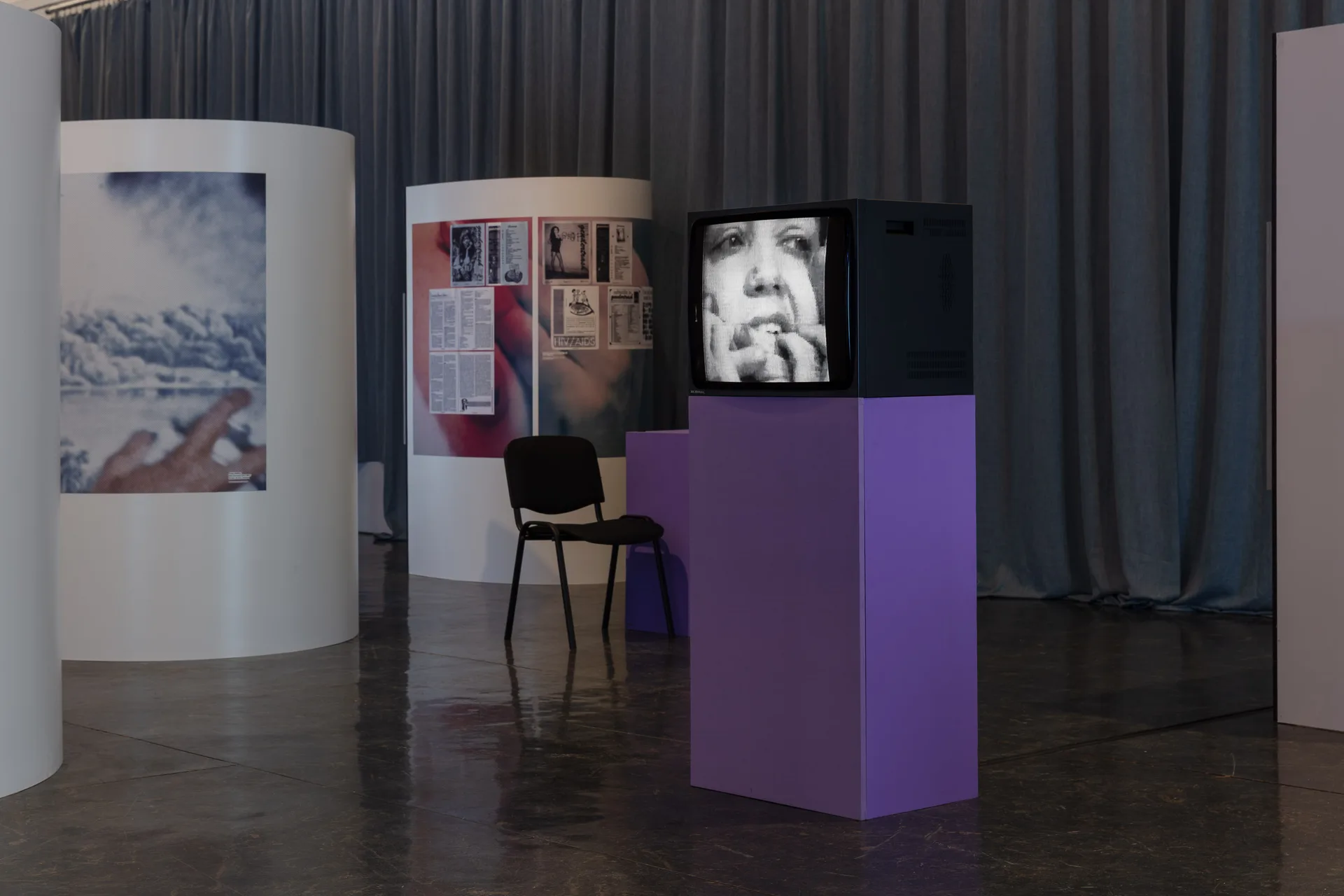
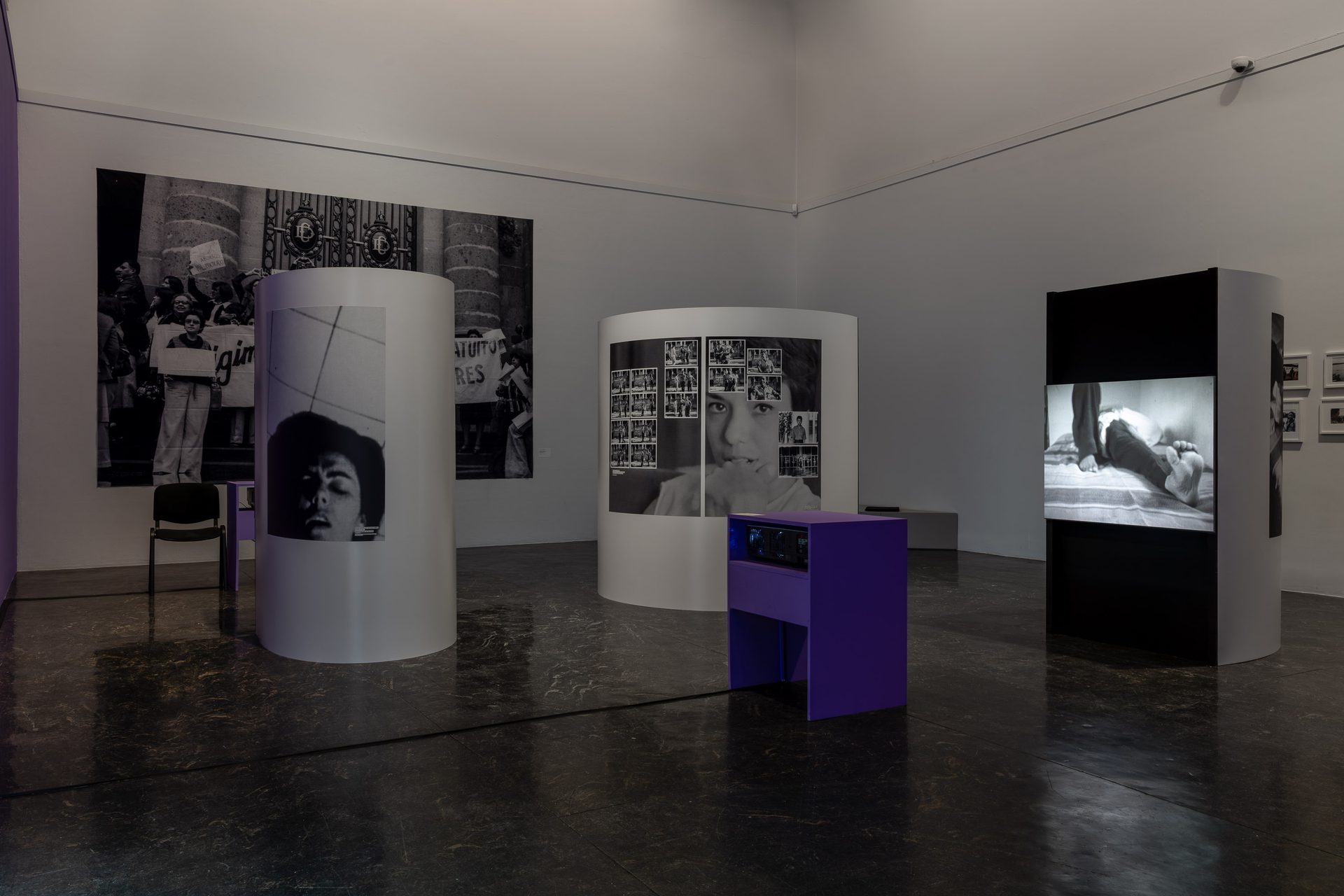
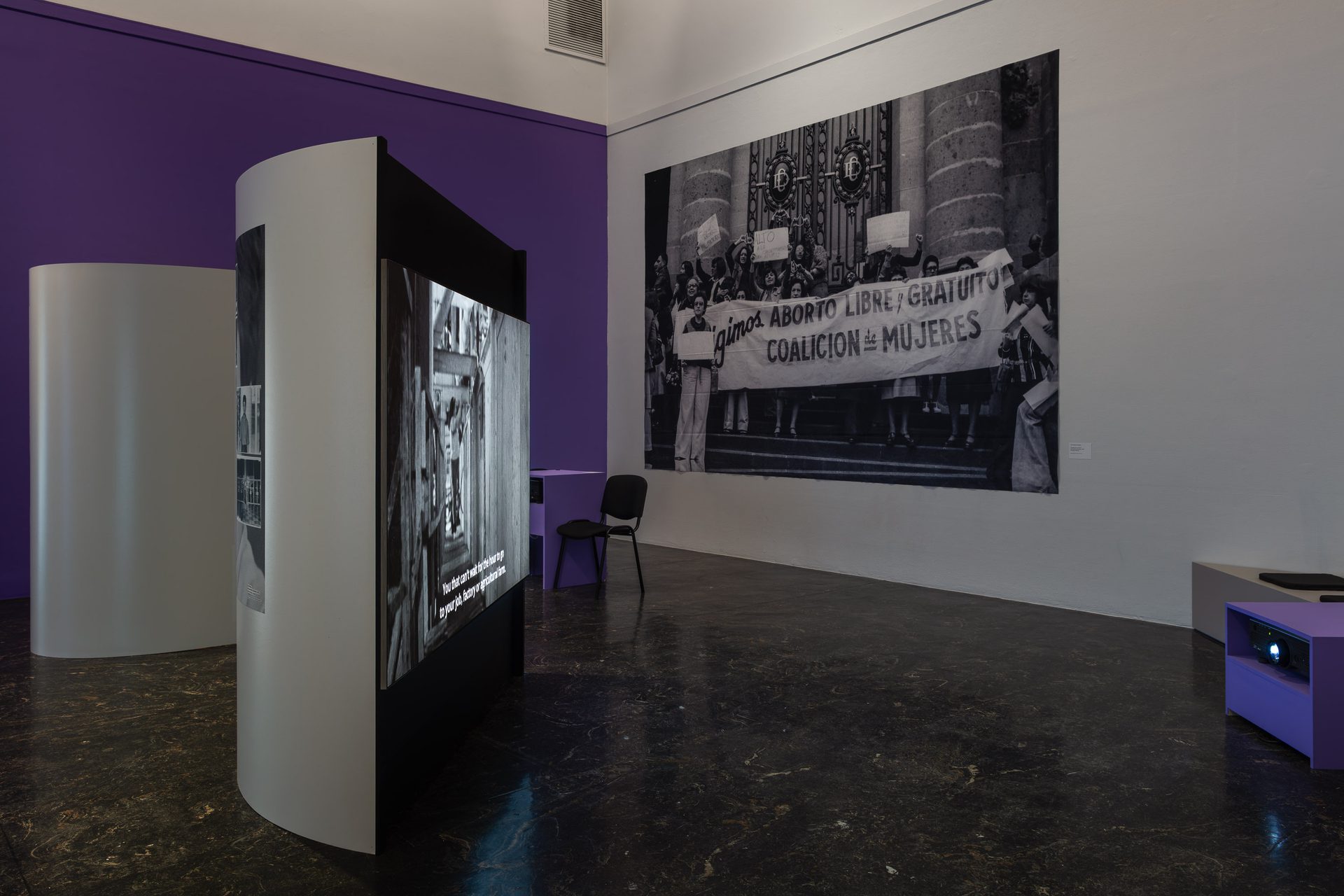
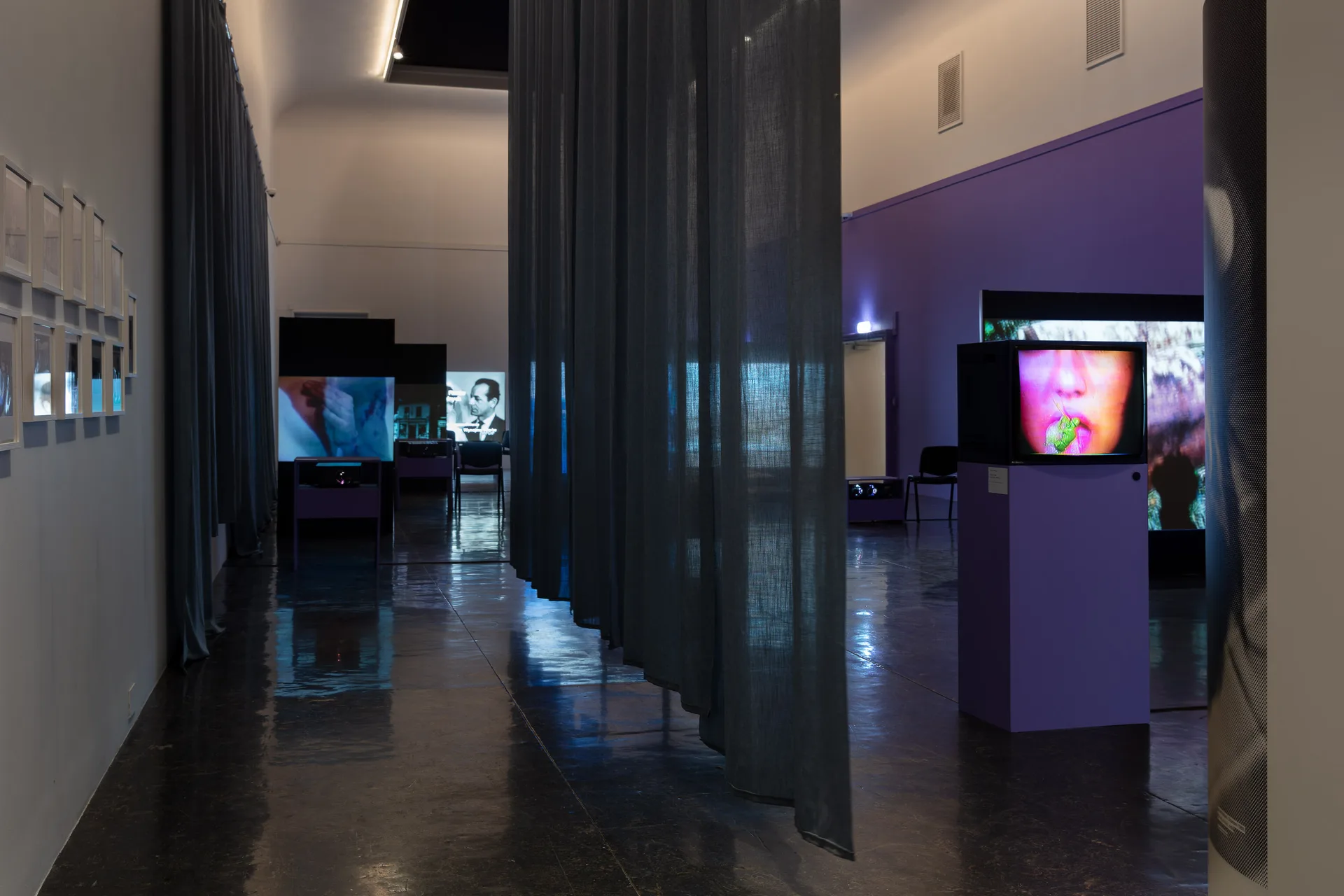
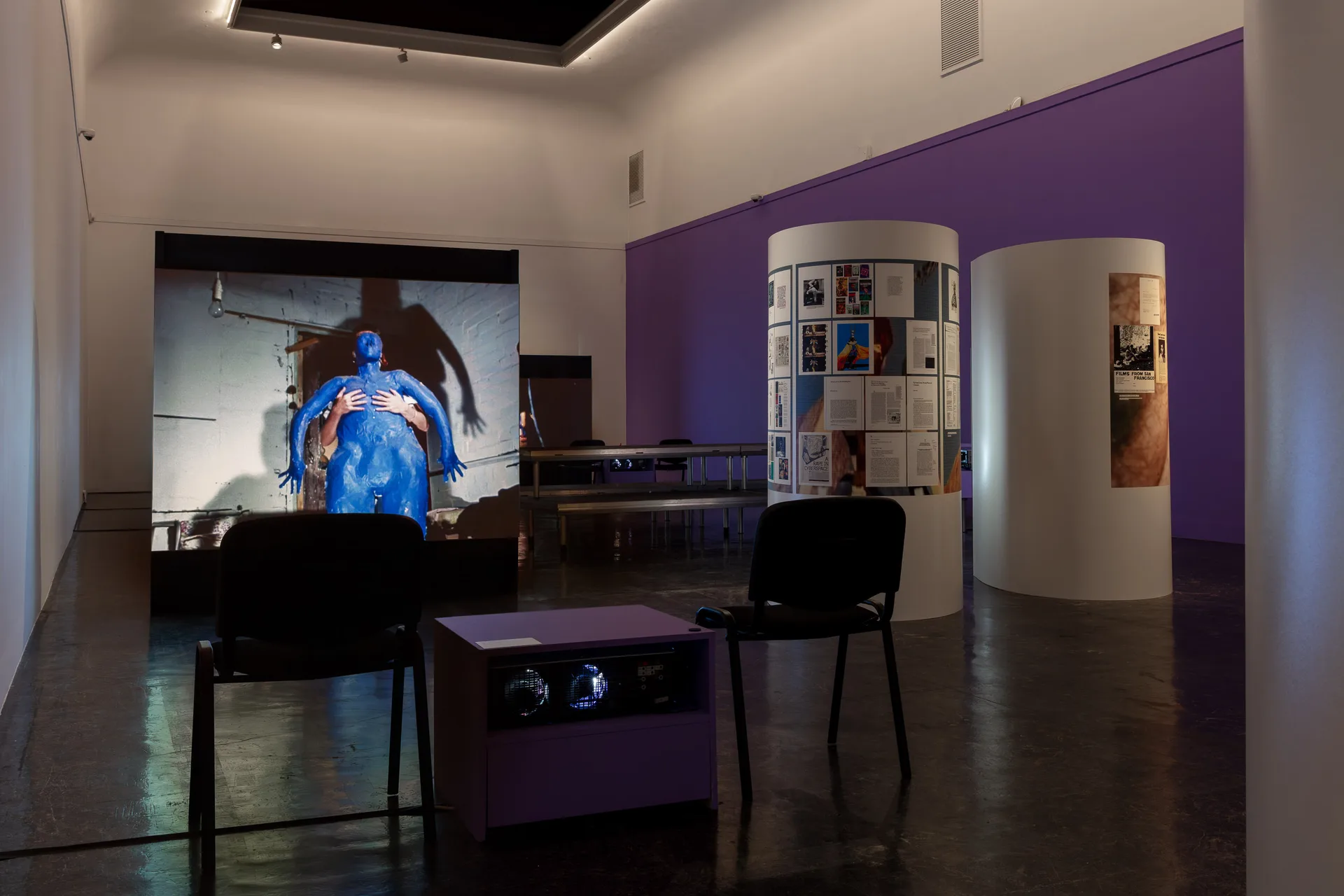
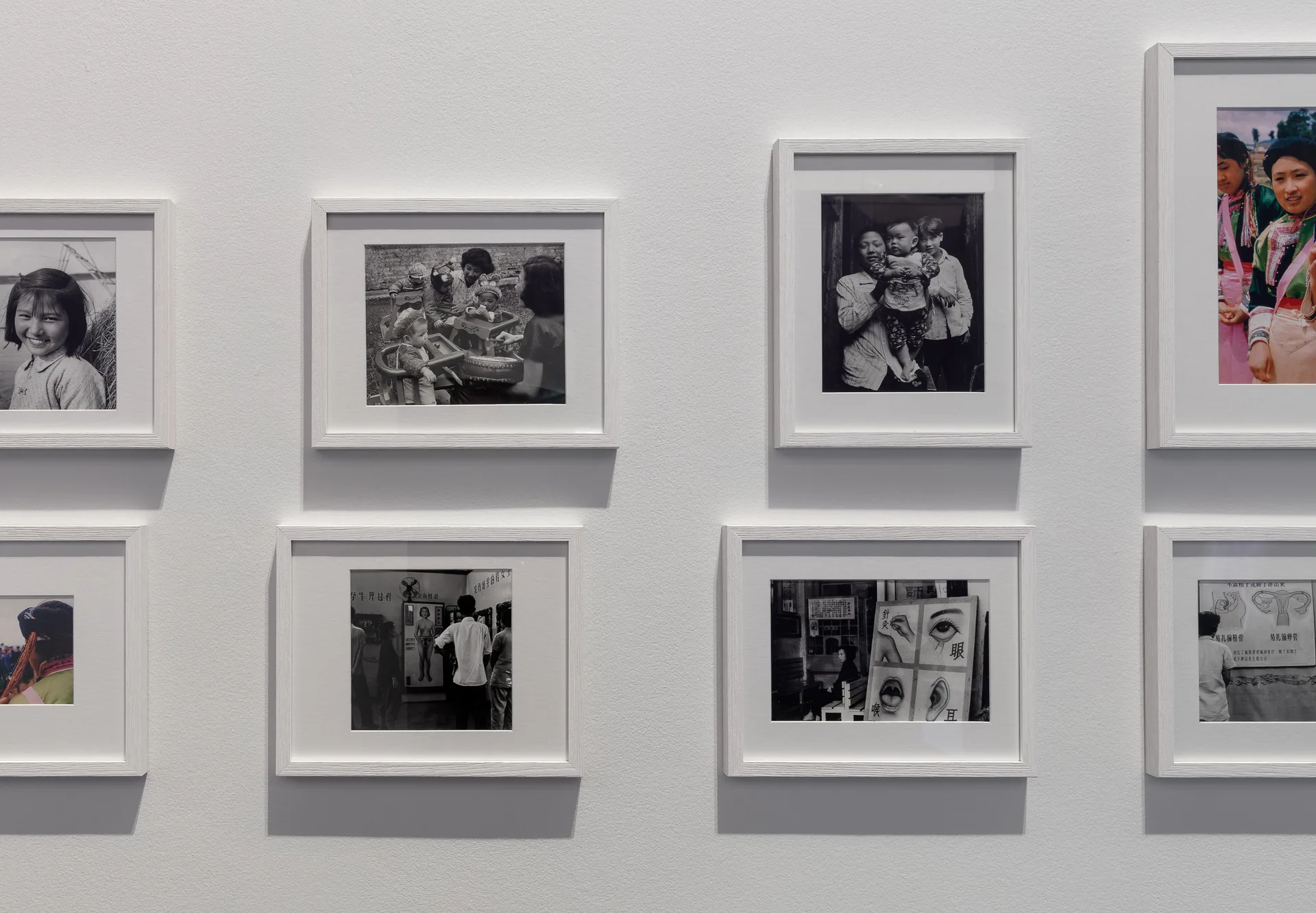
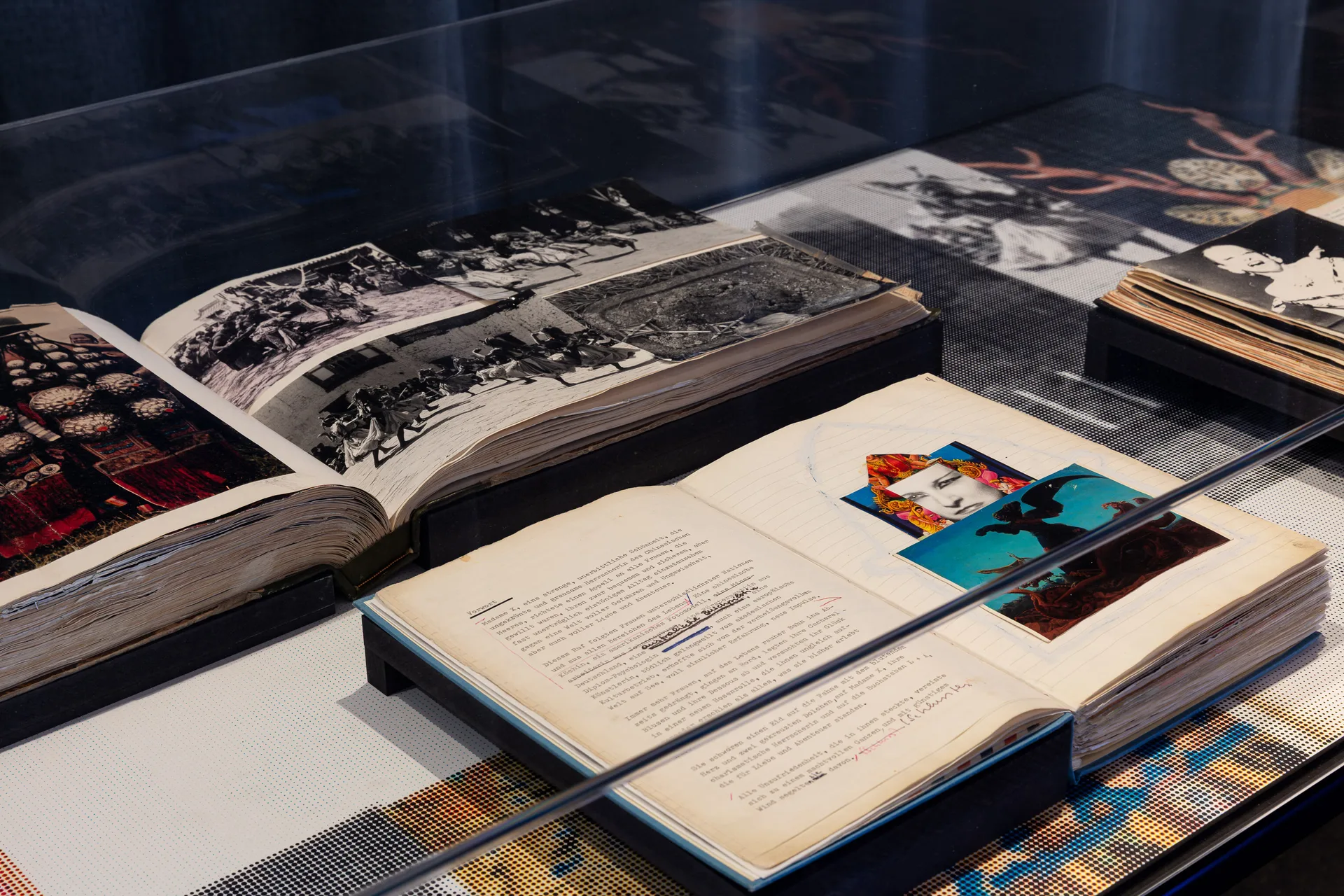
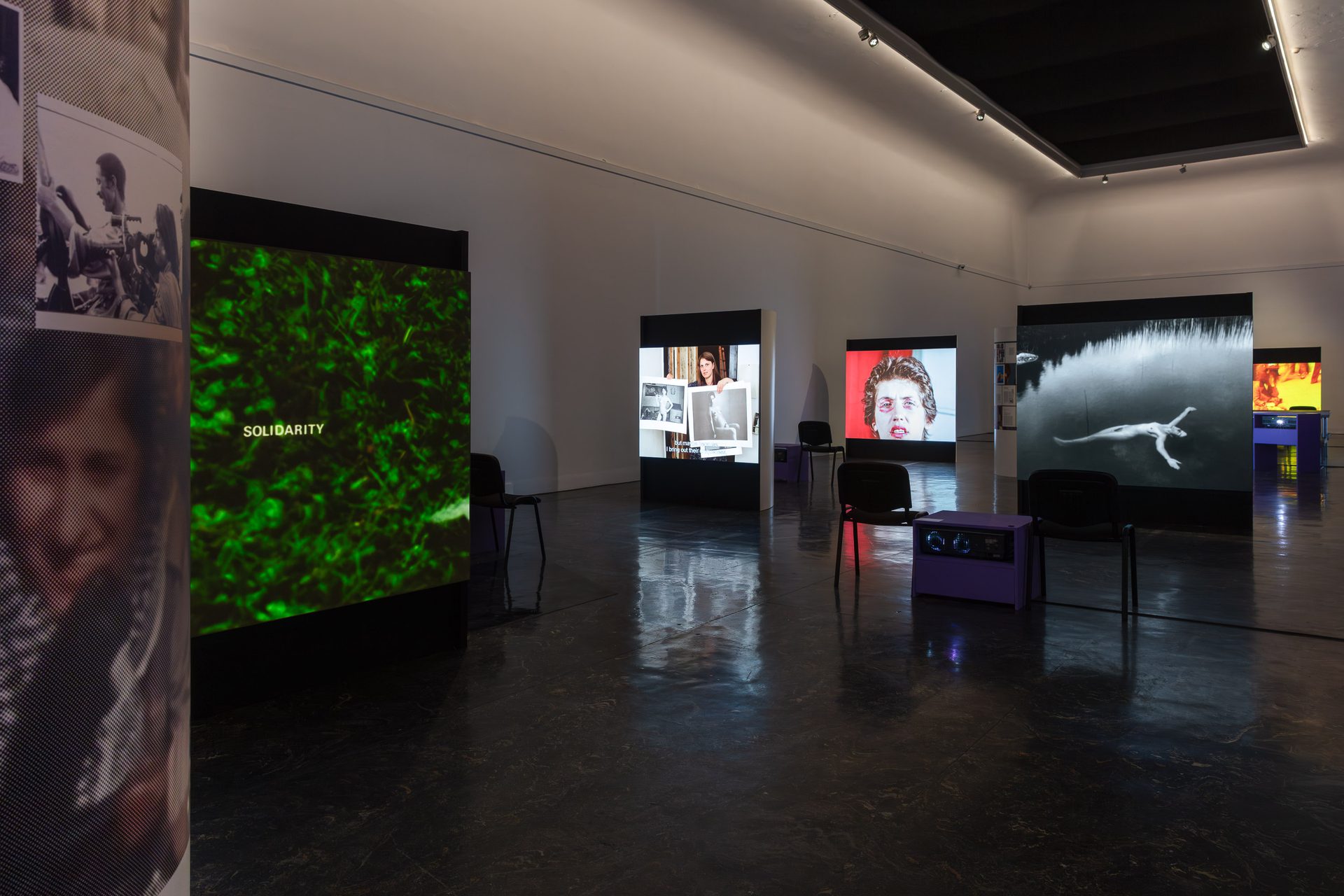
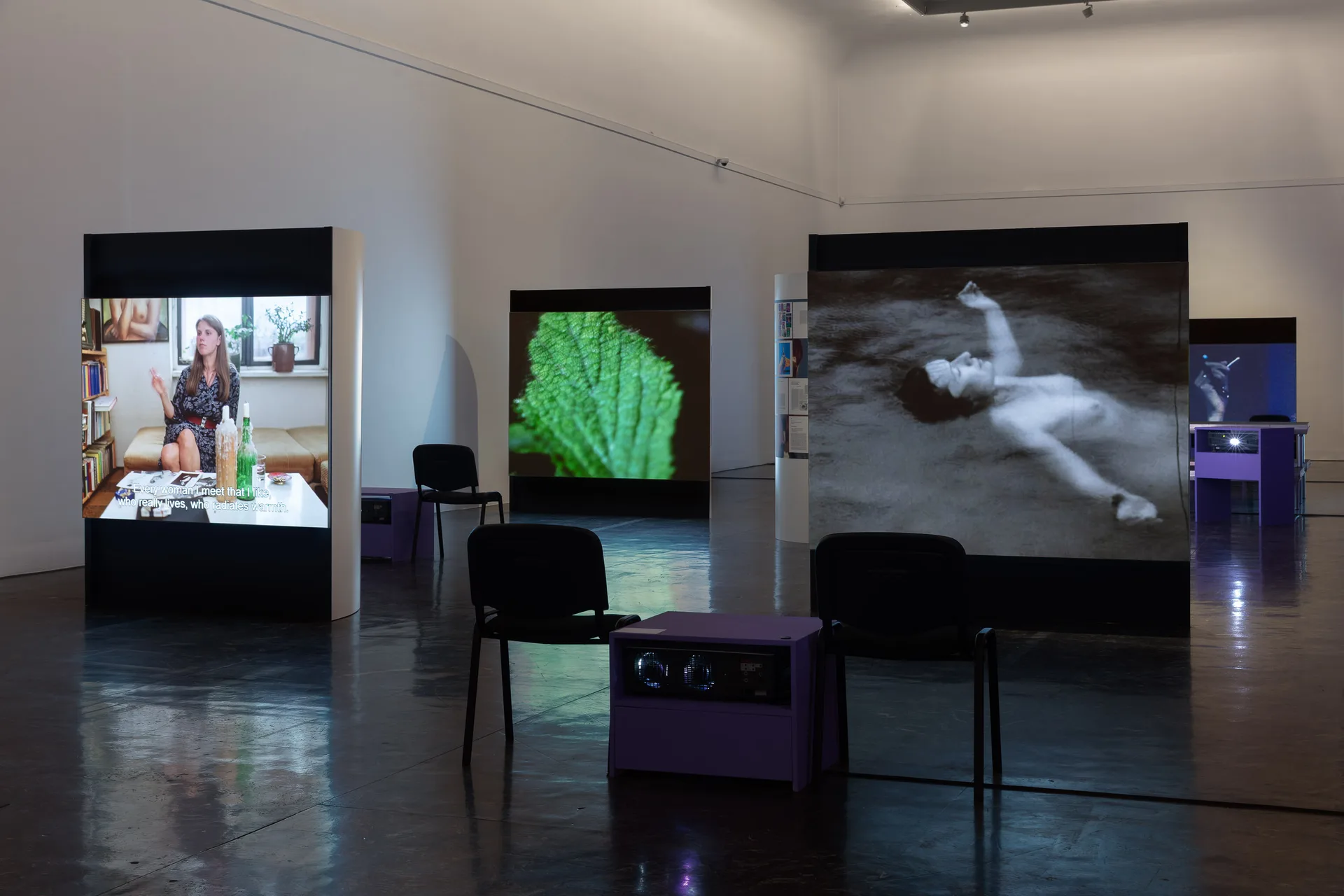
No Master Territories: Feminist Worldmaking and the Moving Image is dedicated to works of nonfiction that seek to invent new audiovisual languages for the representation of gendered experience. Concentrating primarily on the period of the 1970s to 1990s, a time when women’s liberation movements took hold internationally, it stages an expansive encounter as an act of intergenerational memory. Through a presentation of films and videos alongside documents and artworks, it pays homage to the important work of the past and responds to the urgencies of today. As the outcome of research conducted in dialogue with collaborators from around the world, presented in its first iteration at the Haus der Kulturen der Welt, Berlin, in 2022, the project aims to enlarge available histories by tracing multiple genealogies that circumvent the impasses of contemporary neoliberal feminisms.
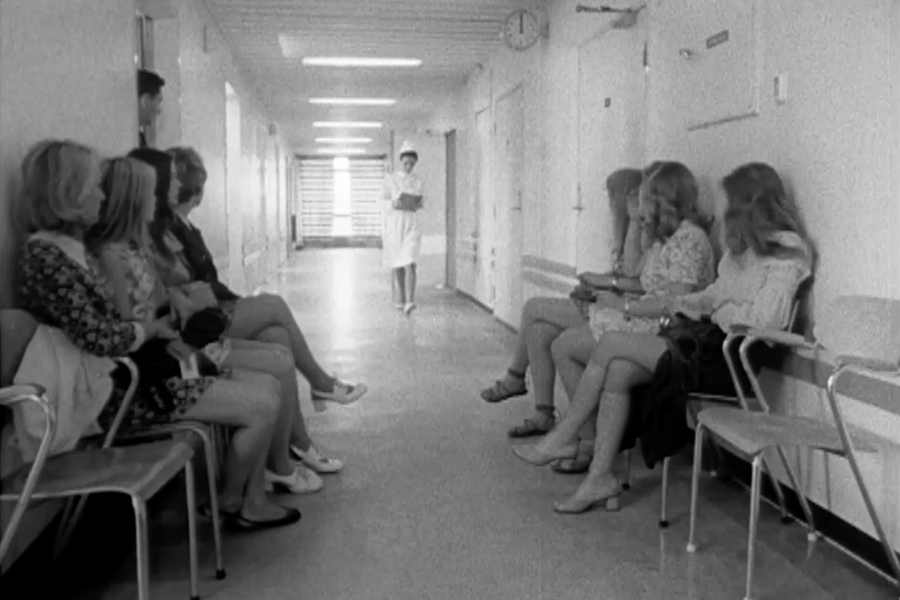
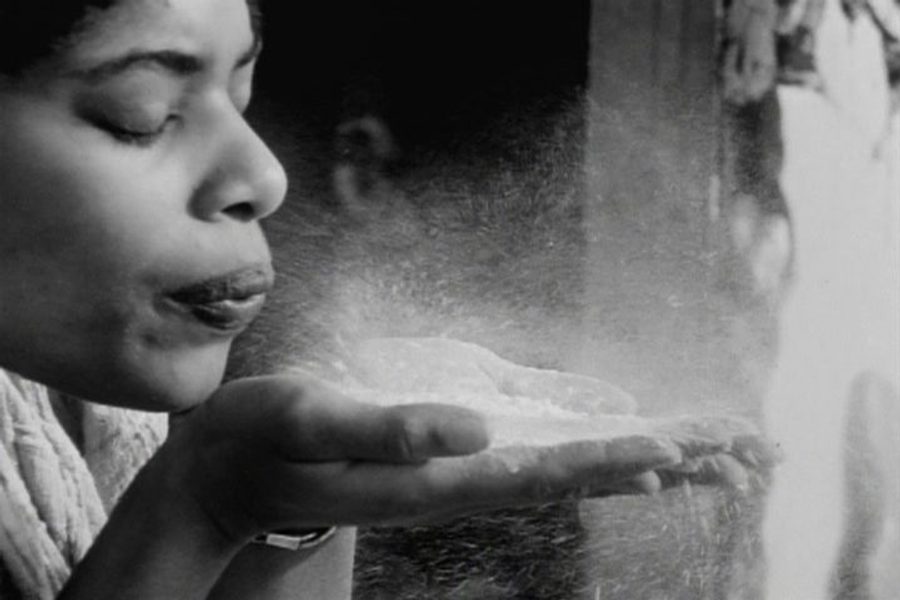
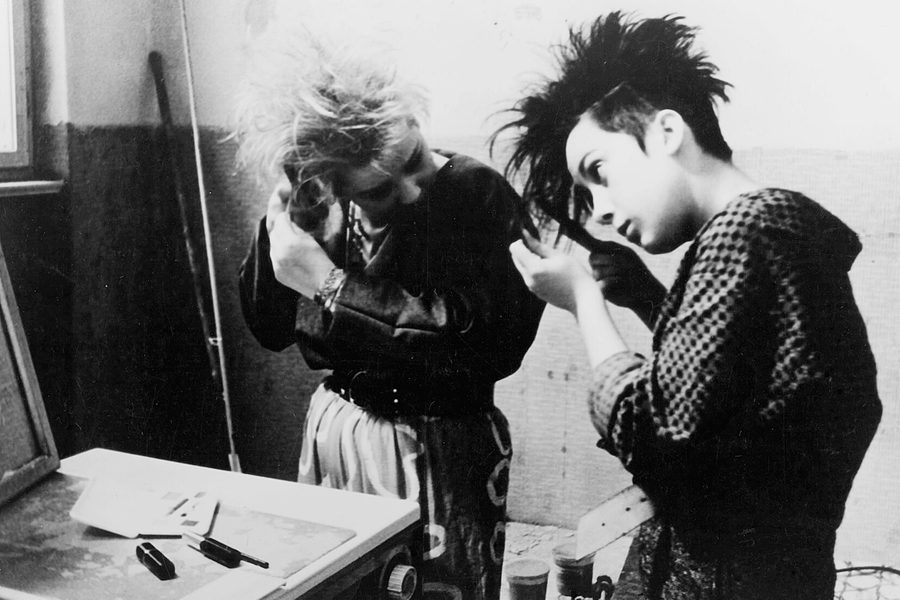
The exhibition focuses on those areas of moving image practice that have been the most inhabited by women and the most engaged in an oppositional reformulation of all aspects of the cinematic institution, yet which are frequently pushed to the sidelines of film histories, feminist ones included: the overlapping and diverging traditions of documentary and experimental film and video. Emanating from diverse geopolitical contexts, the works on display range from activist tapes to avant-garde experiments and essay films, from docufictions to personal testimonies and observational documentaries. They typically adopt production methods very different to those of the industry and have historically occupied noncommercial, sometimes nontheatrical, exhibition contexts. Many are conceived in intimate relation to feminist activism, which has long recognized the importance of visual media as a means of domination and emancipation; others exist at a distance from any organized social movement; and some are made by women who do not self-identify as feminist but whose work nonetheless resonates with feminist concerns.
The title “No Master Territories” is itself an archival return, borrowed from a section heading in Trinh T. Minh-ha’s 1991 essay collection When the Moon Waxes Red: Representation, Gender and Cultural Politics. It is an abolitionist declaration, profoundly utopian, that speaks to the need for a bold reimagining of the world which would put an end to domination in all its forms, not only those related to gender. Gesturing to a feminist agenda that is irreducible to single-issue politics, the phrase deploys a geographical image, one freighted with the legacies of slavery and colonialism, to imagine a material and epistemological condition free from the tyranny of totalizing control and possession. It rejects the ideology of the artistic “masterpiece,” along with the romantic concept of the creative subject that accompanies it, and instead emphasizes cross-disciplinary pollinations. Unraveling the imperial partition of center and periphery, ruler and ruled, it opens a fluid space in which nonhierarchical, transversal, and perhaps unexpected connections can occur.
A world with no master territories would look nothing like the one that exists at present. It is perhaps an impossibility. Nonetheless, this demand has a propulsive, generative force, registering a dissociation from punishing norms, sparking dreams of radical reinvention. The practices exhibited here take up this wager, rejecting the authority of received frameworks of intelligibility. They embrace the lens-based image as a wellspring of feminist imagination—a way of not only relating to the world but remaking it.
Rather than proposing an alternative canon or narrating another linear history, No Master Territories embraces a centrifugal form of presentation across space and time, overflowing the confines of a single encounter to underline the heterogeneity and abundance of this field of practice.
Curated by Erika Balsom with Silja Espolin Johnson and Clemens Ottenhausen, No Master Territories: Feminist Worldmaking and the Moving Image is a new edition of an exhibition previously presented at the Haus der Kulturen der Welt in Berlin in 2022 and The Museum of Modern Art in Warsaw in 2023, by Erika Balsom and Hila Peleg.
Team & Collaborators
Press Reviews
Supported by
The edition at Kunstnernes Hus is supported by Fritt Ord, Nordic Culture Fund, Sparebankstiftelsen DNB, Bergesenstiftelsen, Alcro and Tonwelt.
The side program for the exhibition is supported by Nordic Culture Fund, Human International Documentary Film Festival, Oslo Dokumentarkino, Goethe-Institut Norway and the National Library.