Kunstnernes Hus Cinema
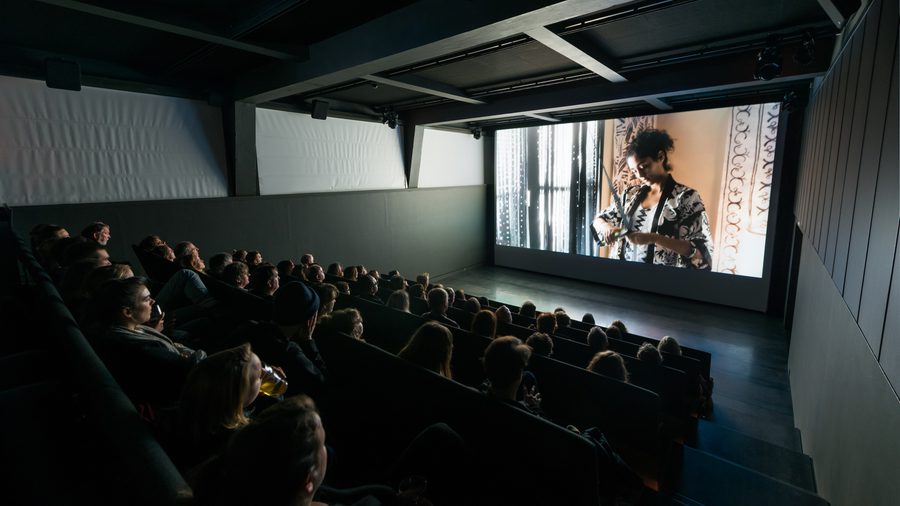
Oslo's first independent cinema, dedicated to emphasising artistic boldness and genre-bending formats.
We want to use cookies that improve your experience on our site, help us analyze site performance and usage, and enable us to show relevant marketing content.
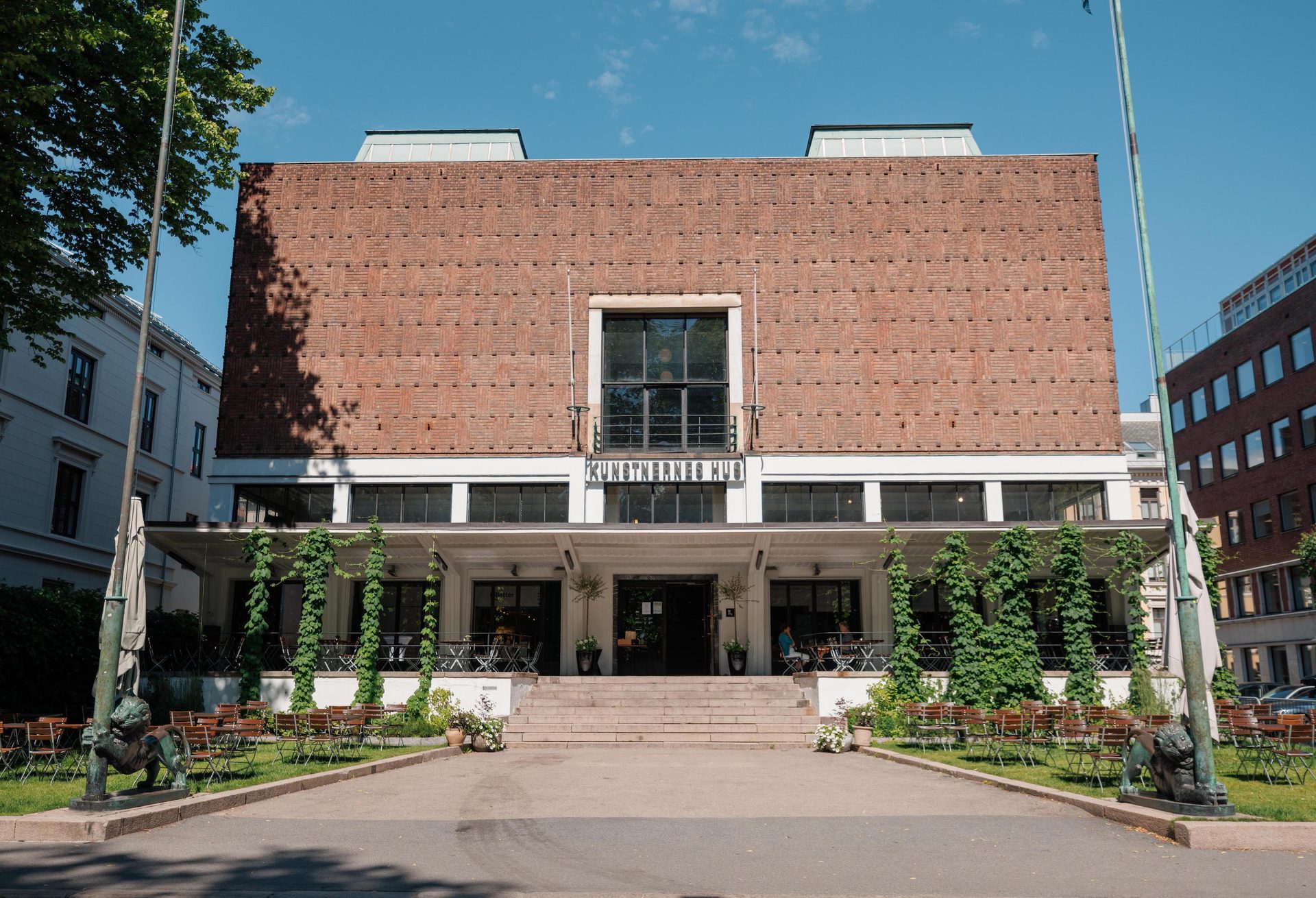
Kunstnernes Hus is Norway's oldest artist-governed institution. Founded and built by artists in 1930, it has since served continuously as a non-profit venue for contemporary art and an independent meeting place for artists and audiences alike: a gift from artists to society that has played a central role in the development of Norwegian art. As an institution with a strong sense of public responsibility, we are committed to safeguarding artistic freedom of expression and protecting the role of art in the public sphere through an ambitious programme of exhibitions, cinema, events and art mediation.
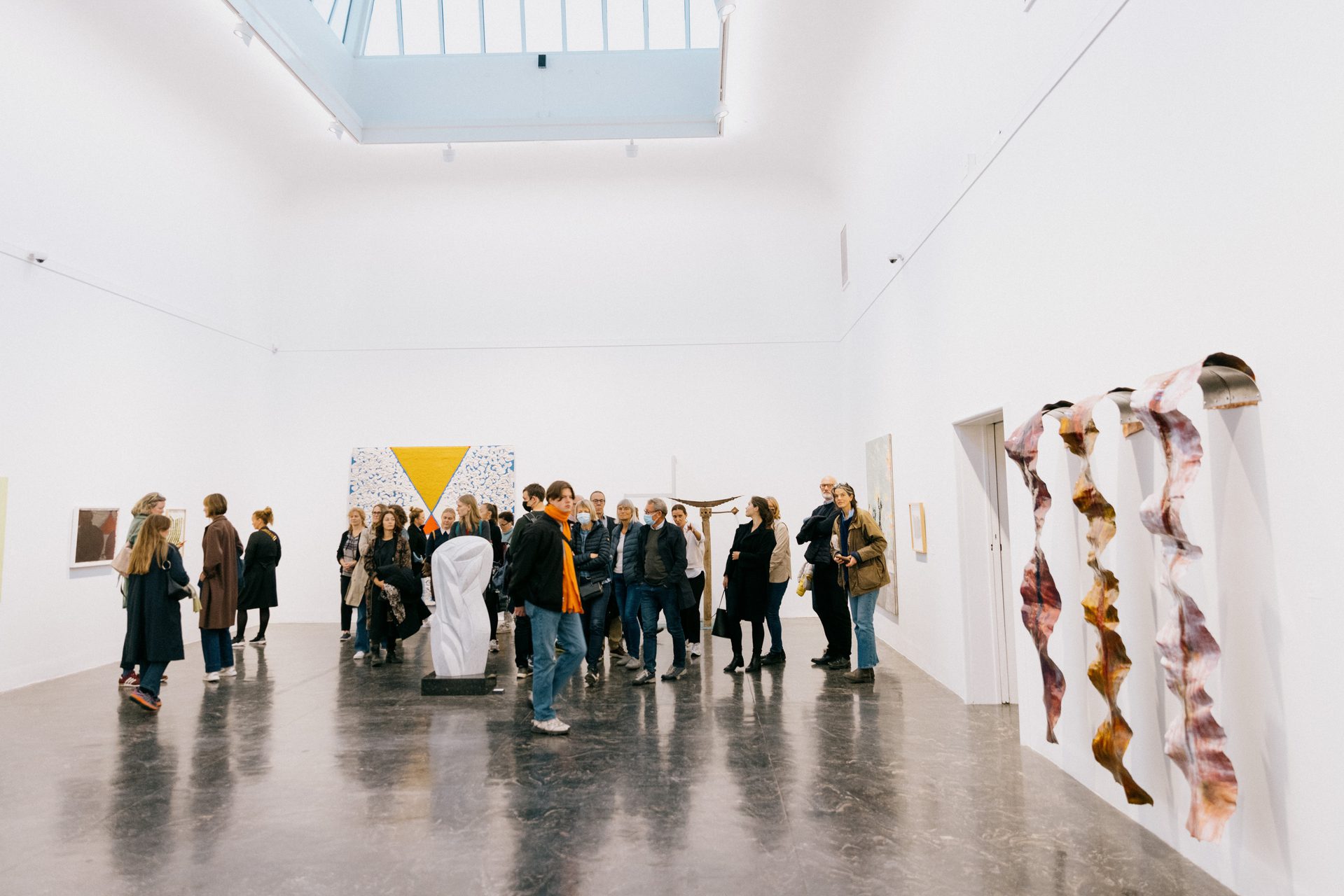
For many, Kunstnernes Hus has been part of defining moments in their lives: a first encounter with contemporary art, an exhibition that left a lasting impression, or a chance meeting in the café that grew into friendship or love. The annual Autumn Exhibition (Høstutstillingen) is at the heart of the institution's identity and remains one of Norway's most significant and widely visited exhibitions of contemporary art. Open to all through an unrestricted submission process and selected by an artist jury, it presents emerging artists alongside established names. Since its founding, Kunstnernes Hus has provided a vital platform for generations of artists, serving as a place for artistic development, a springboard to national and international recognition, and a bridge between the history and future of Norwegian art.
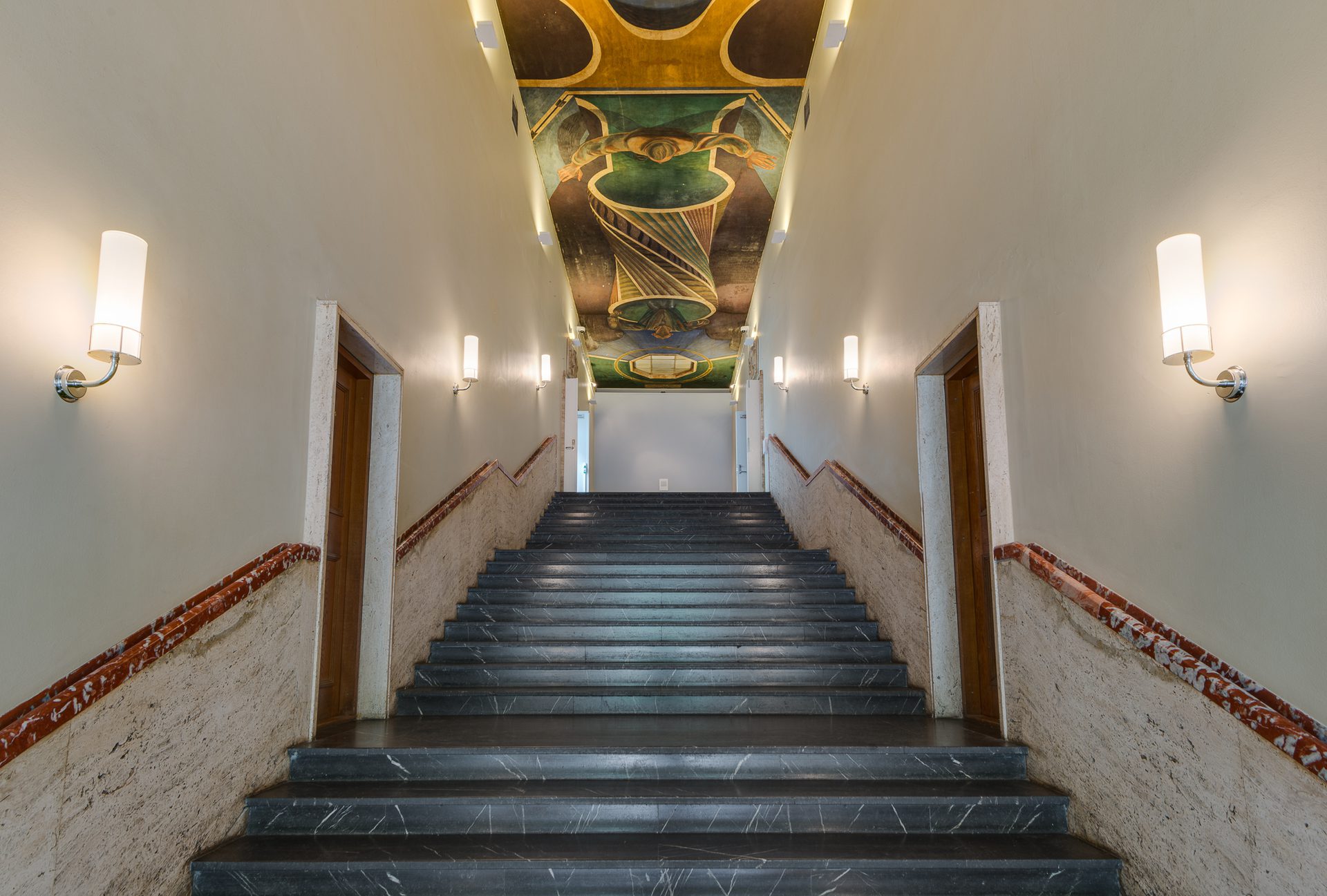
The building on Wergelandsveien is fundamental to the institution's mission and to artistic independence. Designed by Gudolf Blakstad and Herman Munthe-Kaas, it is regarded as one of Norway's most significant examples of modernist architecture. Today, however, the building shows clear signs of age and critical wear. A lack of universal accessibility creates real barriers to participation, undermining the institution's founding principle of openness. Significant fluctuations in temperature and humidity limit the kind of works that can be exhibited and protected. Without substantial investment, the consequences of further deterioration will be severe. Norway risks losing one of its most important cultural buildings.
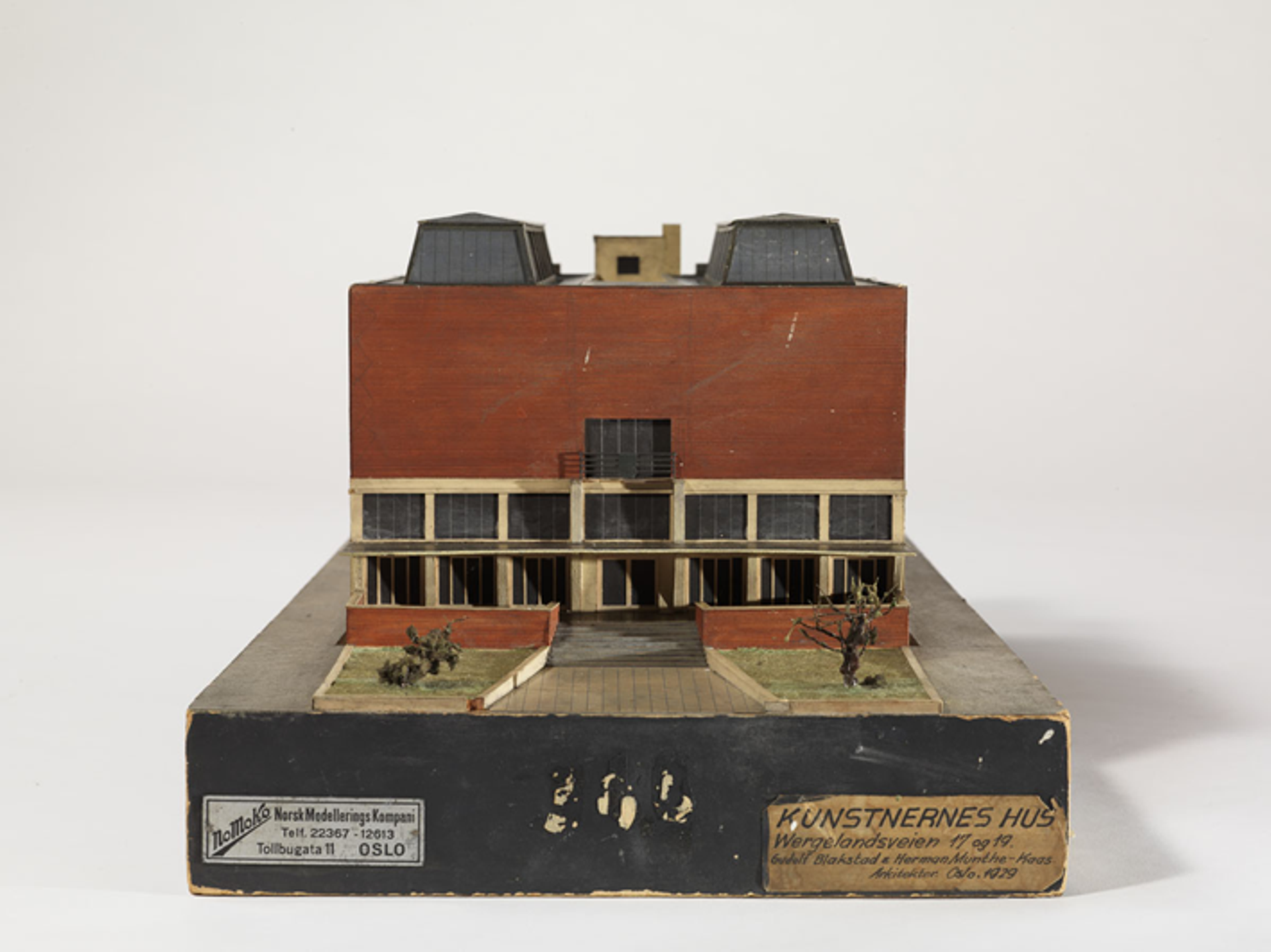
The distinctive character of Kunstnernes Hus is inseparable from its independence. Its artist-led governance and institutional flexibility make space for experimentation, artistic risk and new ways of thinking—qualities that are essential to a vibrant art scene but are rarely sustained by commercial structures. Kunstnernes Hus is therefore both part of our shared cultural heritage and an essential contributor to the public conversations of our time.
In Norway's capital, lions guard the entrances to institutions that uphold politics, the law and the arts—three pillars of a democratic society. At Kunstnernes Hus, the lions stand guard over artistic freedom and the space that make it possible.
These values are fundamental at a time when authoritarian tendencies are gaining ground around the world. To care for Kunstnernes Hus is to safeguard an irreplaceable institution: a place for community and free thought, democratic participation and artistic freedom.

Oslo's first independent cinema, dedicated to emphasising artistic boldness and genre-bending formats.
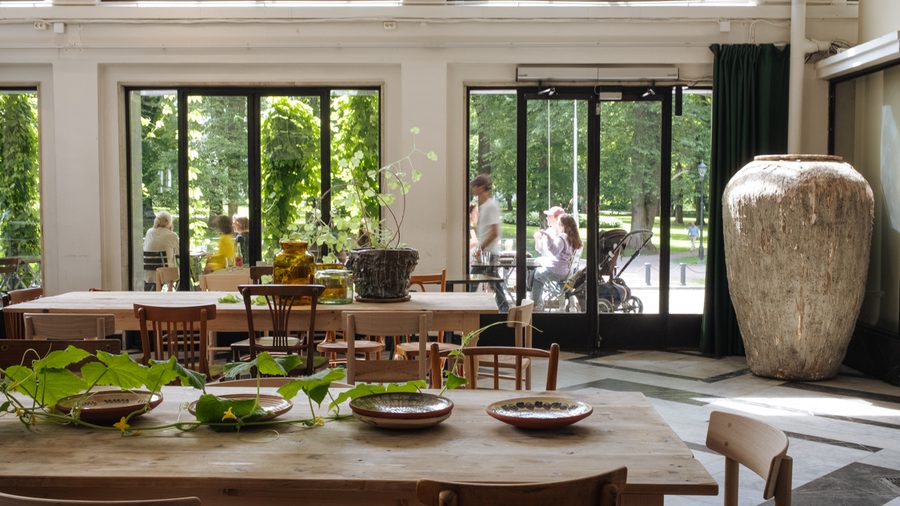
The newly opened eatery and café is a vibrant meeting place for artists, neighbours and visitors alike.
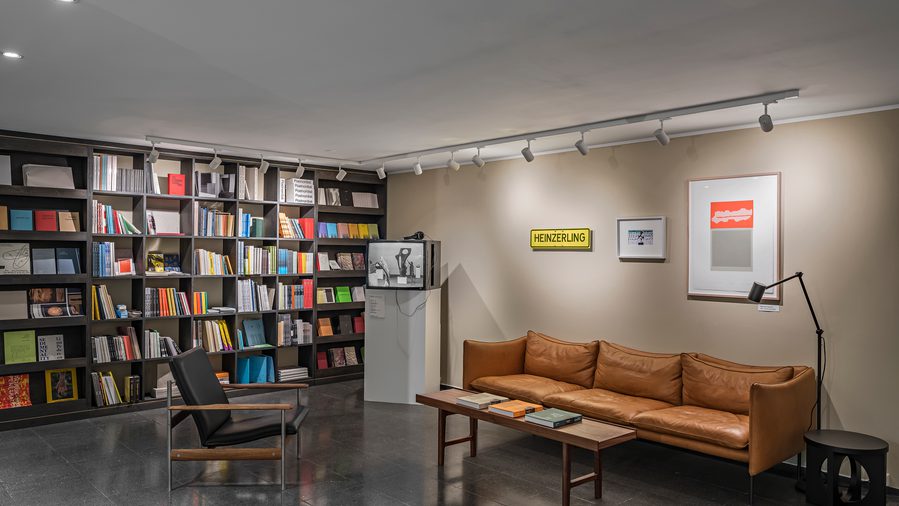
Take a break from the art to visit our shop, located right behind the reception desk on the ground floor.

How did it all start? Learn more about key dates and events in Kunstnernes Hus' history from 1930 til today.
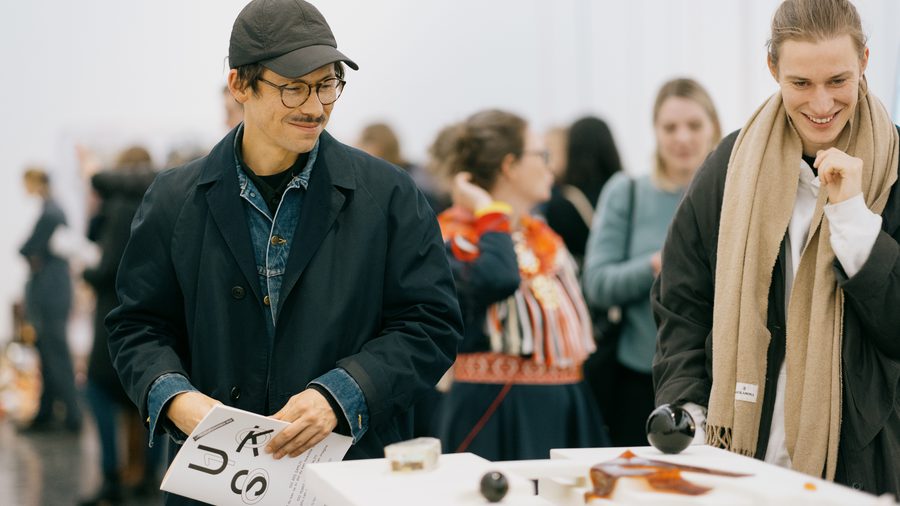
Visit us as often as you like! As a member of Kunstnernes Hus, you enjoy exclusive benefits and directly support our artistic program.
What's new at Kunstnernes Hus? Subscribe to our newsletter to stay up to date.