Abortion and Something Like a War
Conversation with Vibeke Løkkeberg
Sunday 08.03.26
Sunday 08.03.26
Welcome to a double bill of films about reproductive justice: Something Like a War (1991, Deepa Dhanraj) and Abortion (1971, Vibeke Løkkeberg). The screening will be introduced by film scholar and curator Erika Balsom, and followed by a conversation between Vibeke Løkkeberg and Head of Kunstnernes Hus Cinema, Silja Espolin Johnson.
About the Films
Something Like a War (Deepa Dhanraj, 1991), 16 mm, 52 min., India
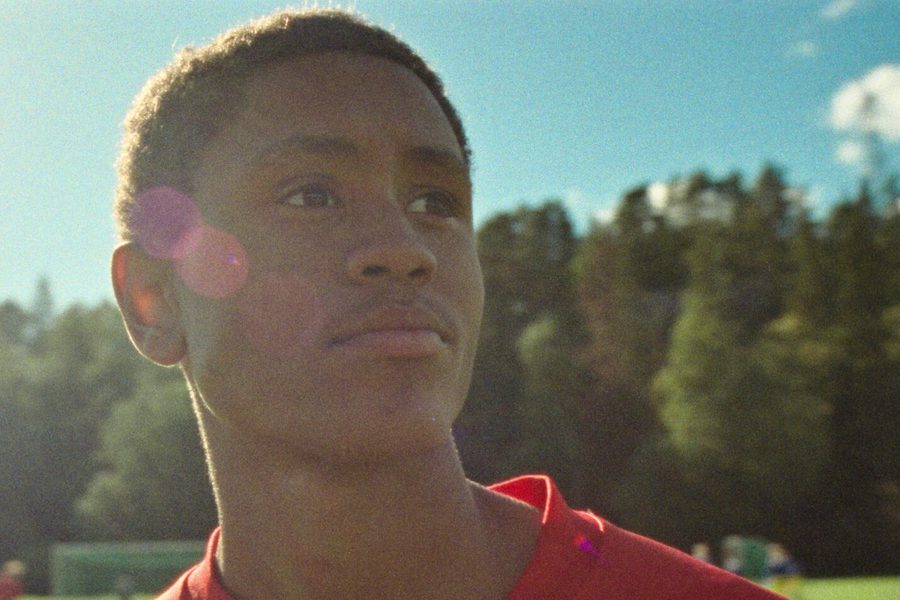
Deepa Dhanraj began making films in the early 1980s as part of the Yugantar Film Collective, a group that embraced cinema as an activist tool. In Something Like a War, she examines India’s family planning program, particularly its impact on poor women living in rural areas who are subject to coerced or forced sterilization as well as to clinical trials of contraceptives conducted without informed consent. As film critic Devika Girish explains, “Through interviews with bureaucrats, researchers, health workers, and patients… Dhanraj’s film traces how these incidents are part of a long, sordid history of incentive-based population control in India, which preys upon the poor to meet targets set by the state and multinational funding bodies.”
Abort (Abortion, Vibeke Løkkeberg, 1971), 45 min., Norway
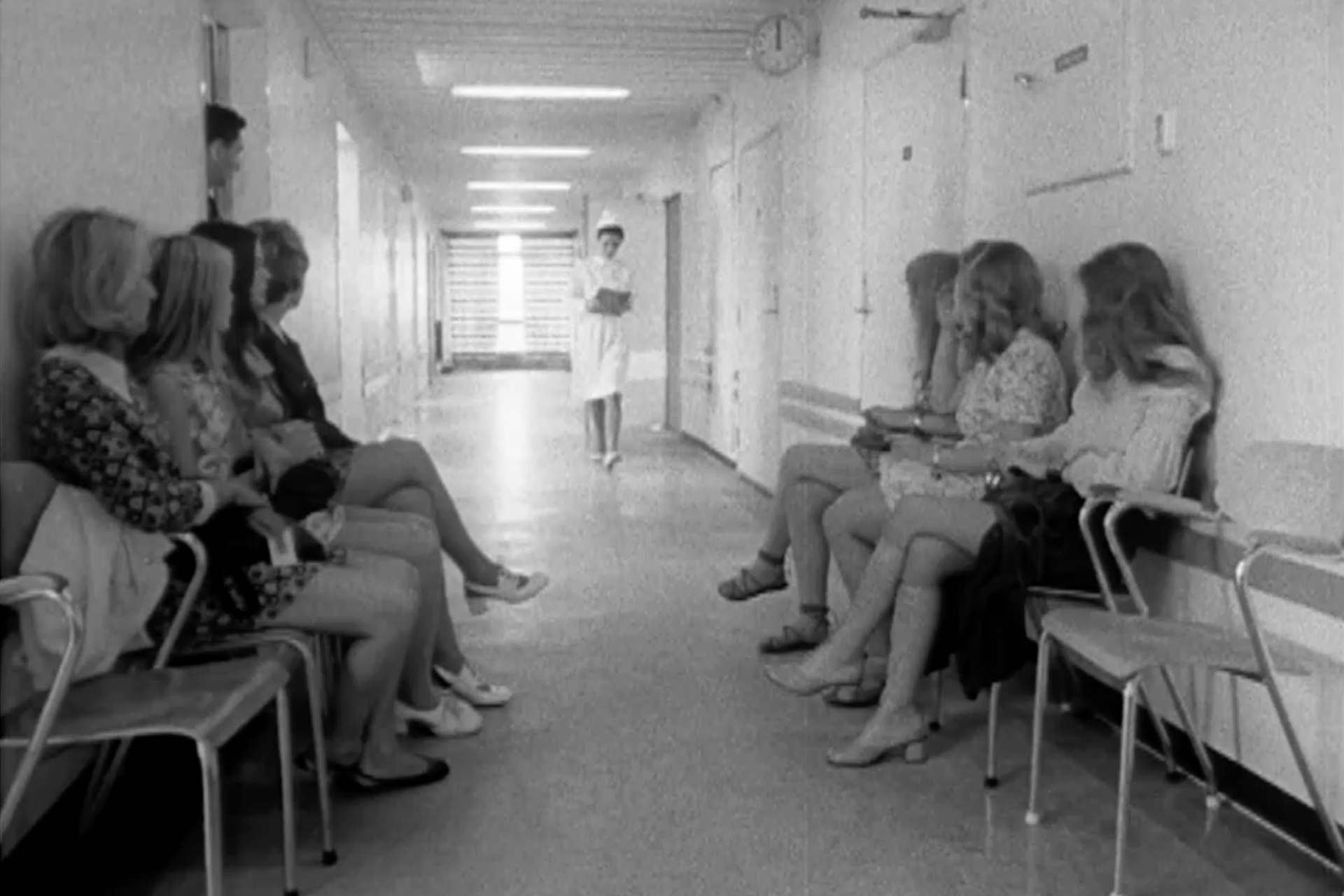
The docufiction Abort, which follows a young woman seeking to terminate a pregnancy under the restrictive Norwegian law of the time, was the first film made by Vibeke Løkkeberg as a director. As film scholar Ingrid Holtar has noted, it “figures as among the earliest and most explicit examples of how film could be used as rallying points by and for the new women’s movement.” Abort circulated widely in Norway in conjunction with the struggle for self-determined abortion (a right that would be granted in 1978) and also received international exposure, in particular at the First International Women’s Film Seminar, held in West Berlin in 1973.
Check out the connecting screenings here and here.
Read more about No Master Territories: Feminist Worldmaking and the Moving Image.
Program for Human International Film Festival 2-8 March.
About the Filmmakers
A writer and award-winning filmmaker, Deepa Dhanraj has been actively involved in the women's movement – with a focus on political participation, health, and education – for more than four decades. She was one of the founding members of Yugantar, a feminist film collective that produced pioneering films about women's labor and resistance to domestic violence. Working through feminist politics, her extensive filmography spans three decades covering films on the violence and coercion of population control programs, Muslim women's courts that offer petitioners an alternative to patriarchal verdicts issued by Sharia courts, and the rise of Hindu majoritarianism. She has a special interest in education and she has worked extensively with government schools to create pedagogy suited for problems faced by first generation learners who come from Dalit and Adivasi communities. She also teaches video production to women activists and regularly lectures on media theory in both academic and public settings.
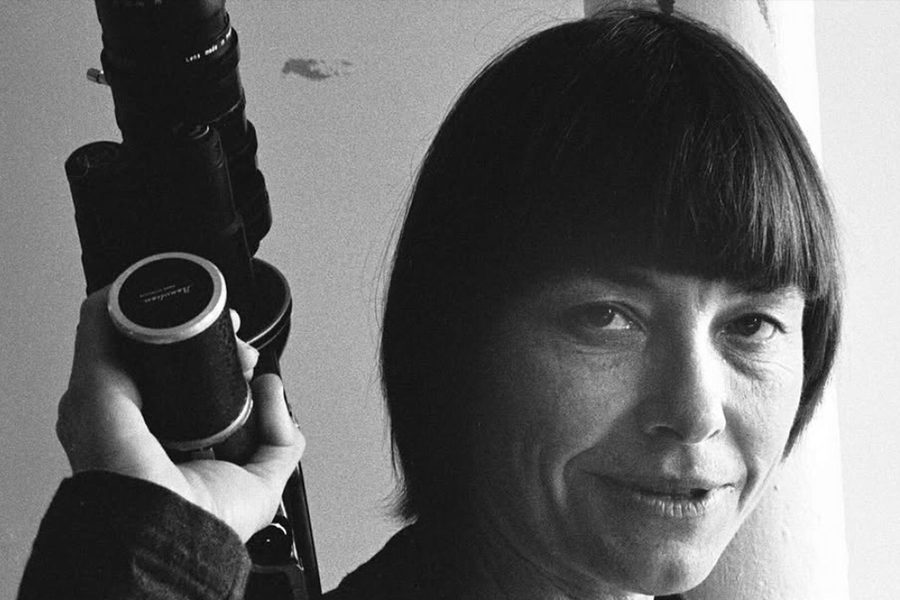
Vibeke Løkkeberg is one of Norway’s most prolific filmmakers cultural icons. After a career as a model and actress, with a lead role in the influential French New-wave inspired Liv (1967, Pål Løkkeberg) among others, she began directing her own films in the 1970s in a distinctly social realist style. The docufiction Abort was Løkkeberg's debut as a director, followed by the seminal Åpenbaringen (The Revelation) featuring poet Marie Takvam as a housewife going through a mid-life crisis. In Løperjenten (1981), a girl’s childhood in Bergen during the post-war period is portrayed. Incest was the theme of the controversial Hud (1985). Løkkeberg is one of the filmmakers represented in No Master Territories: Feminist Worldmaking and the Moving Image, and is currently on tour with her new film, The Long Road to the Director's Chair (2025), based on the newly discovered rushes from her interviews with participants at the first feminist film gathering in Germany in 1973. Løkkeberg is also a novelist, with works such as Leoparden (1989), Jordens skygge (1994), Lilla (2002), Brev til himmelen (2004), Allierte (2008), and Frokost på klippen (2018). In 2005, she was appointed Cavaliere by the Italian President, and in 2015 she received the Amandaprisen Honorary Award for her contribution to Norwegian cinema.
About Erika Balsom
Erika Balsom is one of the curators of Kunstnernes Hus' current exhibition No Master Territories: Feminist Worldmaking and the Moving Image. She is a reader in Film and Media Studies at King’s College London. She is the author of four books, including After Uniqueness: A History of Film and Video Art in Circulation (2017) and TEN SKIES (2021), and her writing has appeared in publications including Cahiers du Cinéma, e-flux, Grey Room, and New Left Review. Her curatorial projects across the cinema and the gallery have taken place at venues including Haus der Kulturen der Welt, Kunstverein Hamburg, Spike Island, MAXXI, TIFF, and ICA London. In 2026, Columbia University Press will publish her criticism collection The Edges of Cinema: Essays on 21st Century Film Culture.
Title
Abortion + Something Like a War
Directed by
Vibeke Løkkeberg + Deepa Dhanraj
Country
Norway + India
Year
1971 + 1991
Languages
Norwegian + English
Subtitles
English
Duration
97 min + conversation