Kai Fjell
1907-1989
16.06.90 – 05.08.90
16.06.90 – 05.08.90
Kai Fjell 1907-1989
The exhibition
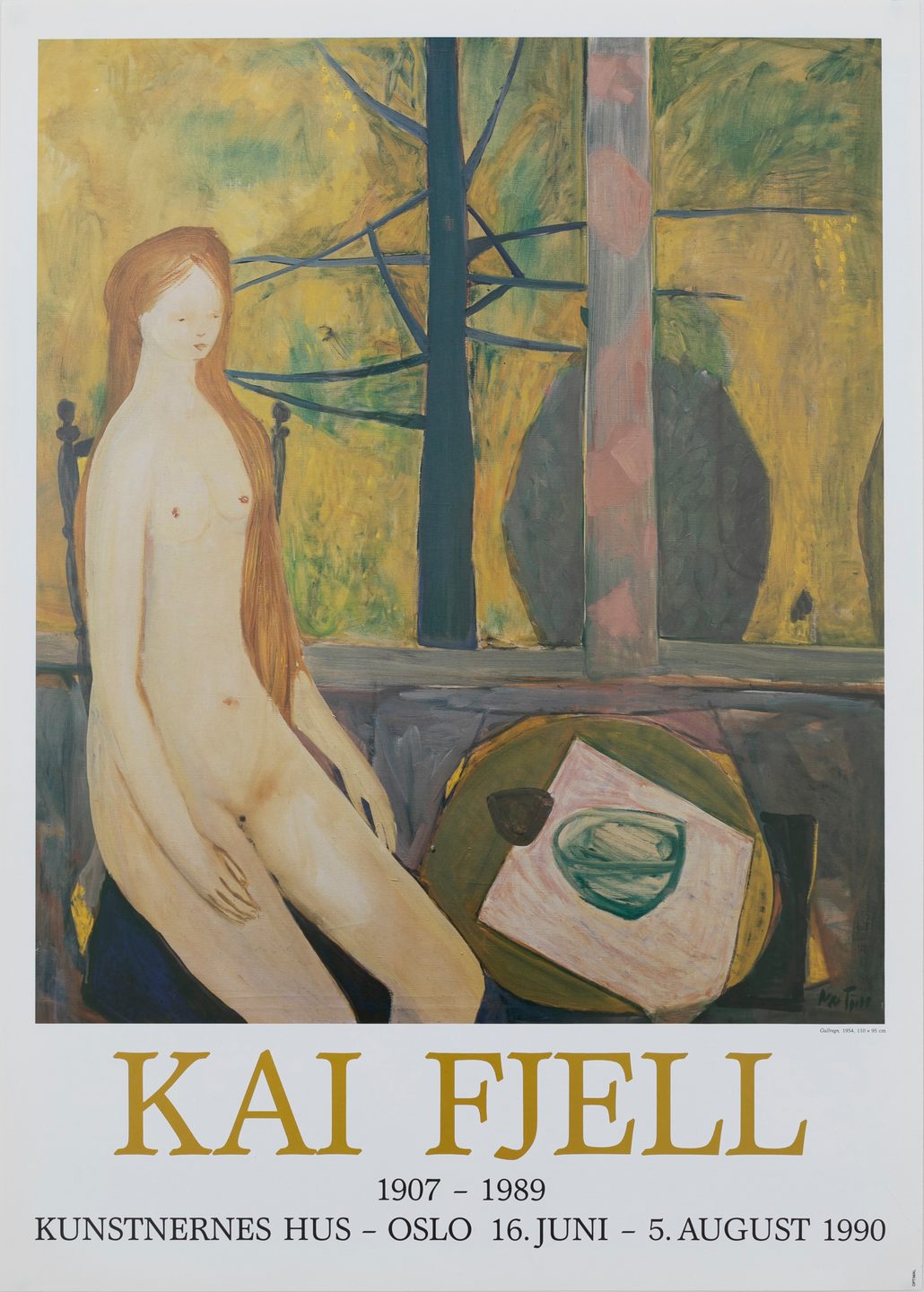
The exhibition Kai Fjell 1907 – 1989 was a retrospective exhibition organized by Kunstnernes Hus in connection with the artist's passing in 1989. It served as a tribute both to Kai Fjell's work and his contribution to Norwegian art.
From the catalogue
«Kai Fjell’s artistic expression has varied throughout forty years of production but, on the whole, the basic themes are the same. They revolve around the growth of the soil, woman, birth, death, and the eternal questions. Music and dance have also been important themes in Kai Fjell’s art. He has frequently identified himself with the musician; the lonely, melancholic fiddler who may symbolize the creative artist.
Kai Fjell’s pictures often contain elements of folk-art but his works have little to do with so-called local painting. Just like the Norwegian writer, Olav Duun, Kai Fjell at his best manages not only to convey a universality to life’s dreams and possibilities but also to the labyrinth of life’s problems. After 1950, in general, Kai Fjell’s pictures are given a more decorative character although the motifs remain more or less unchanged.
(…)
In January 1937 the Italian, Giovanni Costetti and Kai Fjell shared the space in Kunstnernes Hus with two large and successfully arranged exhibitions. Costetti was given greater advance publicity for hos motifs from life’s sunny side. Kai Fjell’s works were presented as a contrast. The Newspaper Morgenbladet reported:
“Kai Fjell has apparently little in common with his Italian colleague. His sombre pictures are of stillborn calves, medical examinations, funeral processions, anxiety and hunger and suicides, - indeed he does not even shun child murder.”
Despite the large format of some of his pictures and gloomy advance notices, all Kai Fjell’s works were sold within a few days. From the conservative newspaper Aftenposten to labour’s Arbeiderbladet the critics surpassed themselves with superlatives. The 1937 Kai Fjell exhibition has remained one of the highlights in the history of Kunstnernes Hus.”
In this way, the very history of Kai Fjell's artistry in many ways had its beginning at Kunstnernes Hus. Not only did the exhibition Newer German Art – Painting and Sculpture, shown at 'Huset' in January 1932, prove highly inspiring to the young artist, but following his own breakthrough exhibition in 1937, he had truly made his mark on the Norwegian art-scene at only 30 years old.
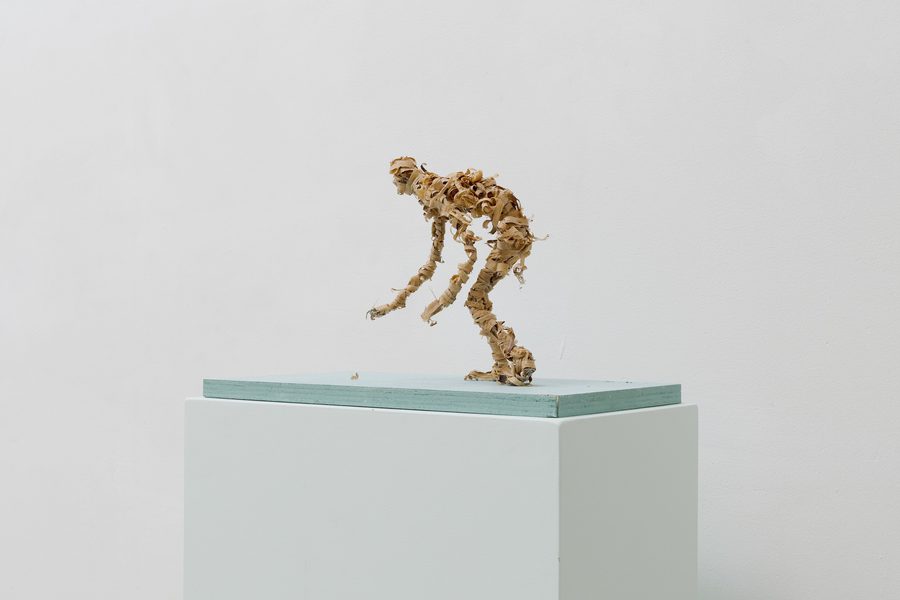
The memorial exhibition in 1990 consisted of paintings, wood sculptures, and drawings from 40 years of production. Among these were famous works such as Reading Woman, 1940, and one of his very last oil paintings, Still Life, 1988.
About the artist
Kai Breder Fjell's (1907–1989) artistry consisted of everything from oil paintings and book illustrations to scenography and other decorative work. He constituted a central figure within the romantic-expressive movement in Norwegian art history and remains one of Norway's most important artists of all time. Central to his art was, among other things, the woman—the very symbol of nature and fertility. She was depicted in all stages of life, naked or dressed in beautiful clothes, dancing or thinking. Dance and music were important motifs in his art, and Fjell often identified with the musician; a symbol of the artist's longing and dreams. In his time, Fjell was highlighted as 'the most original painting talent of his generation' and executed a series of public commissions, including at Oslo Airport and the National Theatre. He also contributed a number of works to the State Autumn Exhibition (Høstutstillingen) held at Kunstnernes Hus in the period 1933–1962.