
Oslo plans
Exhibition by the Oslo School of Architecture & Design and Ny Boligplan
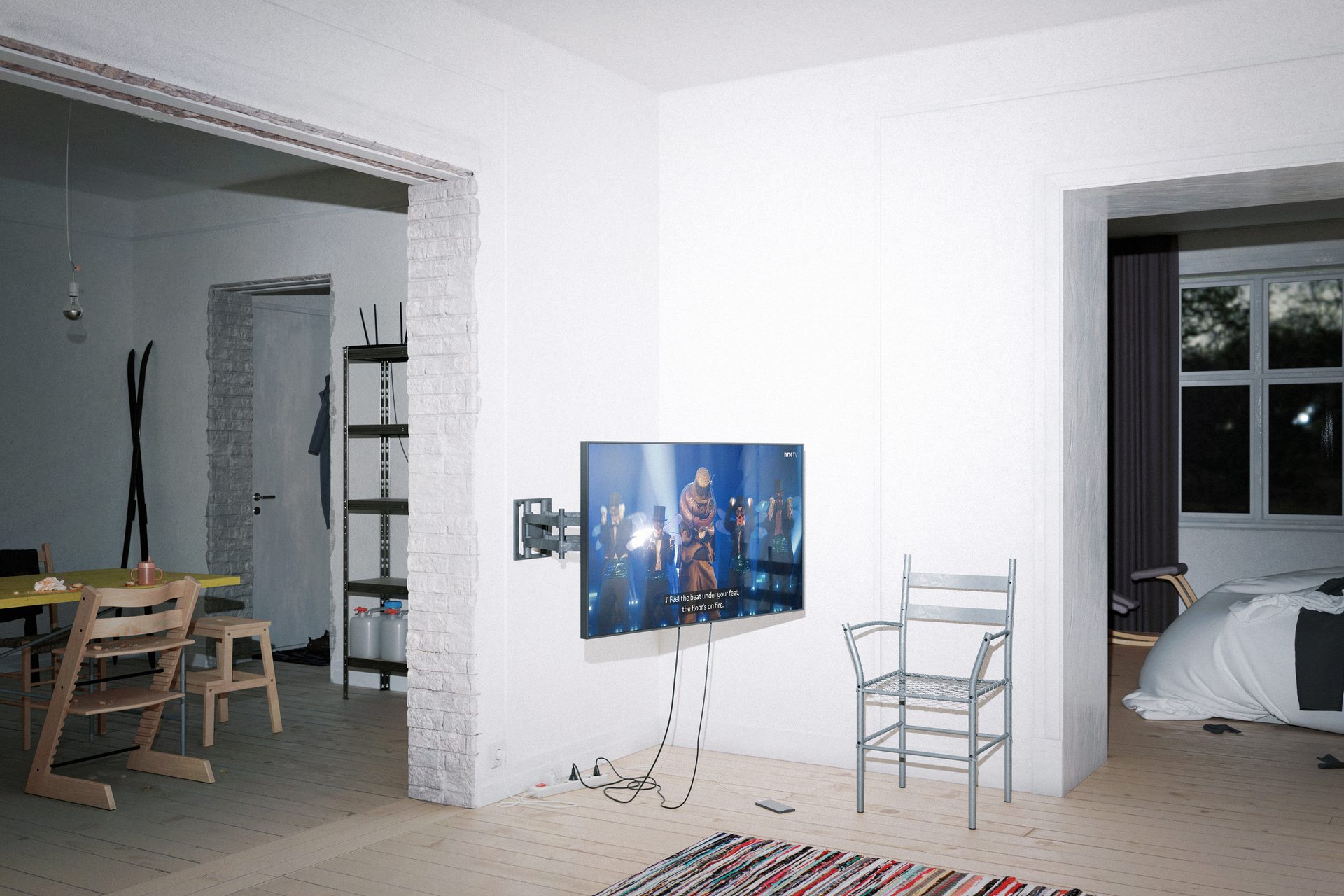
The “Osloplan” was an apartment type built by Oslo kommune in the 1920s and 1930s to ensure affordable and high-quality housing for broad segments of the population. Today, the housing market is once again pushing people with low and moderate incomes out of the city or into increasingly smaller and poorer-quality apartments, and we are once again seeing a need for a new housing policy.
The original Osloplan apartments were exhibited with floor plans and photographs at Kunstnernes hus in 1931, as part of “Week for Better Building Practices.” Nearly a century later, this exhibition of proposals for new Oslo plans is intended as an invitation from architects and a contribution to the discussion of how we can ensure that Oslo remains a city with good housing for everyone.
When
17.12.26 – 21.03.27
Where
The Academy's Room
Opening hours
See opening hours
Price
See prices
Info
The exhibition opens on Thursday, December 17. More information will follow.
Unfortunately, the Academy Room is not accessible by wheelchair. Read more about accessibility.
About the exhibition
The Nurse Index and the LO Housing Index show that people in low- and middle-income occupations cannot afford housing that meets their needs. This applies to both single people and families with children, who must settle for homes that are too small or move out of the city.
Today, the politically proposed solution to this is to simplify regulations to make it cheaper to build housing. These measures overlook how prices are formed in a deregulated housing market, where a constant supply of credit and a limited amount of land available for construction cause land prices—and thus housing prices—to rise over time. Lowering housing quality standards will mean that we end up paying more for less. Instead, we must learn from cities that already have proactive housing policies, such as Copenhagen, Zurich, and Vienna. Through minimum standards, price regulation, land leases, and public construction loans, these cities facilitate the construction of affordable, high-quality housing.
We have also done this before in Norway. The Norwegian policy of promoting homeownership after the Second World War—featuring housing cooperative units financed by the Norwegian State Housing Bank on municipal land—is well known. Less well known is the Oslo kommune’s own “Osloplan,” which the city developed and used as a model for the construction of areas such as Lindern, Ullevål, and Torshov in the 1920s and 1930s. These were rent-regulated apartments built and owned by the municipality itself, in recognition of the need for public intervention in the housing market.
As part of the “Week for Better Building Practices” in 1931, the first Osloplan apartments were exhibited through floor plans and photographs at Kunstnernes Hus. Almost a hundred years later, this exhibition presents proposals for new Osloplan housing projects, which the municipality could either develop itself on publicly owned land or support through land leases, targeted land sales or loans to non-profit housing cooperatives. The projects are designed around the premise that a good three-bedroom apartment should be financially accessible to a household consisting of two adults in skilled trades and two children, provided that the apartments are rented out at cost price. The proposals demonstrate that it is possible to build high-quality, ambitious and affordable housing in Oslo today, if the political will exists.
Contributors
The exhibition was developed by the master’s course “Housing Exhibition Studio 02” at the Oslo School of Architecture and Design, organized by Ingrid Mathilde Steen-Chabert and Kim Pløhn. The course is subtitled “Building Cost & The Oslo Plan” and is part of the work of the association Ny Boligplan.
Students: Jørgen Alm, Solveig Koløen Birkeland, Ruby Sofia Berntsen Dagnall, Lene Duncker, Tobias Ervik Engholm, Siavash Afsharian Eslami, Eine Gåserud, Lyder Tobias Bakk Haug, Albert Heras Gapazo, Malwina Maria Jadczak, Mari Borgenvik Lande, Haakon Andresen Lindstad, Mats Røgeberg Lynnebakken, Malin Ingeborg Nyfors, Erle Strøm-Johansen, Tiril Tveit, Nora Valmestadrød, and Johanne Ørndahl.
Speakers, critics, and other contributors: Frank Roberg and Knut Eirik Balke of AS Bygganalyse, Oskar Johnsgård, Vilde Gimming, Ketil Moe, Hanna Birkeland Bergh, Ida Messel, Sebastian Oswald, Sanna Kattenbeck, David Ganzoni, Christian Scheidegger, Stefan Schneider, Christian Inderbitzin, Nora Tyldum Lunøe, Anna Clocchiatti, Alessio Liambo, Ivo Hasler, Jonas Brun, Tanja Reimer, Louis Gervais, Marita Westervik Henriksen, Marie Storli, and Jonas Løland.
Photo & credits
See also