Cancelled | The Feeling’s Mutual
Workshop hosted by Ayesha Jordan
Monday 22.06.26
Monday 22.06.26

To live is to be supported. The Feeling’s Mutual is a workshop grounded in exchange and care. We dive into mutualism and look at how it shapes our lives. We will explore how mutualism is practiced and experienced by different living beings, through breath, sound, and conversation. What does conscious care look like? How does it create space for rest? What does it look like to trust another, and how does that enhance our quality of life?
Explanation of the cancellation of and discrimination case against the workshop The Feeling's Mutual
The Feeling's Mutual was one of five free workshops about community rest presented as part of Amber Ablett's exhibition The Fallow Year. The workshop, conceived by the invited collaborator Ayesha Jordan, was intended as an intimate forum for discussing mutualism, care, and exchange, and was planned as a two-hour event outside Kunstnernes Hus' opening hours.
Each workshop in The Fallow Year centred on different experiences and perspectives including migration, chronic illness, neurodivergence and burnout. Ayesha Jordan described The Feeling's Mutual workshop as a "gathering for Black folks." "Black folks," as it was clarified in the event information, is a globally recognised social and cultural term, reclaiming a derogatory word to refer to shared experiences related to racism, colonialism, segregation, and exclusion. The term refers broadly to people of African and African diasporic descent, as well as others who identify with these shared historical and contemporary experiences, rather than functioning as a reference to skin colour or biological classification. The purpose of this particular workshop was to create a space for participants who identify with Black experiences to explore shared narratives around mutualism and supporting each other in rest.
On June 11, before the workshop was to take place, it became the subject of significant attention in online forums. The ensuing discussion included racist and anti-immigrant commentary and online harassment. On the same day, a complaint was submitted to the Norwegian Anti-Discrimination Tribunal (Diskrimineringsnemnda), and a case was opened against Kunstnernes Hus concerning the public description of the event. Out of safety concerns for the artists, participants and staff, Kunstnernes Hus and the artists decided to cancel the workshop.
In submissions to the Anti-Discrimination Tribunal, Kunstnernes Hus argued that the workshop was a temporary, time-limited event outside opening hours intended to create a dedicated space for participation, expression, and exchange among people with shared experiences of racialisation and exclusion. Forming a very small part of a broad programme open to everyone, Kunstnernes Hus contended that the workshop was part of an artwork that pursued a legitimate purpose and contributed to the Equality and Anti-Discrimination Act's aims of promoting equality, inclusion, and equal opportunities given the limited representation of such groups in the institution’s history. Kunstnernes Hus therefore maintained that the workshop fell within the legal framework set out in Sections 9 and 11 of the Equality and Anti-Discrimination Act concerning lawful differential treatment and positive differential treatment.
Section 9
“Differential treatment is not contrary to the prohibition of discrimination when it pursues a legitimate purpose, is necessary to achieve that purpose, and is not disproportionately intrusive towards the person or persons who are treated differently.”
Section 11
“Positive differential treatment on the basis of factors specified in section 6, first paragraph, is permitted if: the differential treatment is suited to promote the purpose of this Act; the negative impact of the differential treatment on the person or persons whose position will worsen is reasonably proportionate in view of the intended purpose, and; the differential treatment will cease when its purpose has been achieved.”
In an expedited decision, the Chair of the Tribunal stated that the public description of the event as intended for "Black folks" was contrary to the Act:
"The Chair of the Tribunal has concluded that the Foundation Kunstnernes Hus is ordered to remove all available information stating that the event 'The Feeling's Mutual' is intended for svarte folk or 'Black folks'."
After conversations with the artist Kunstnernes Hus complied with the order.
About the event
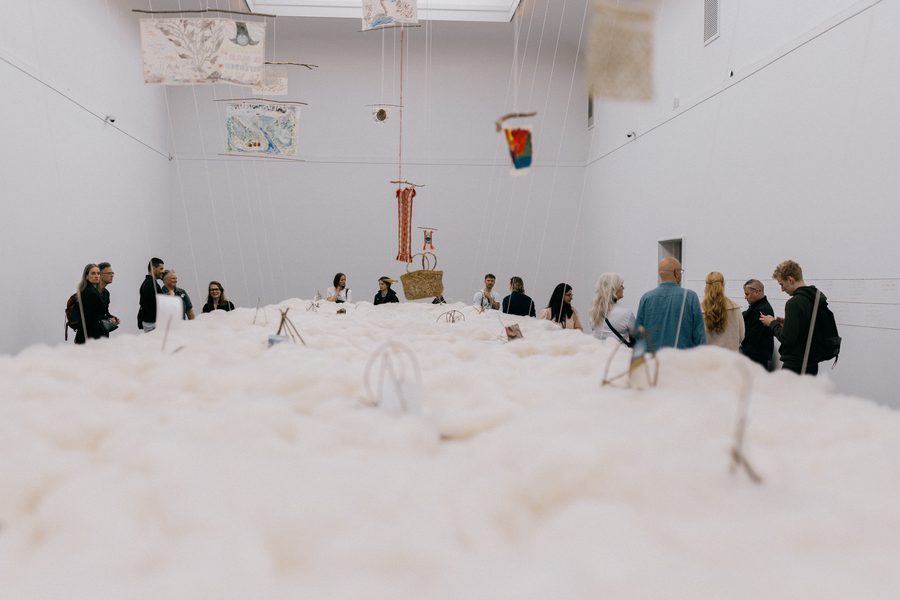
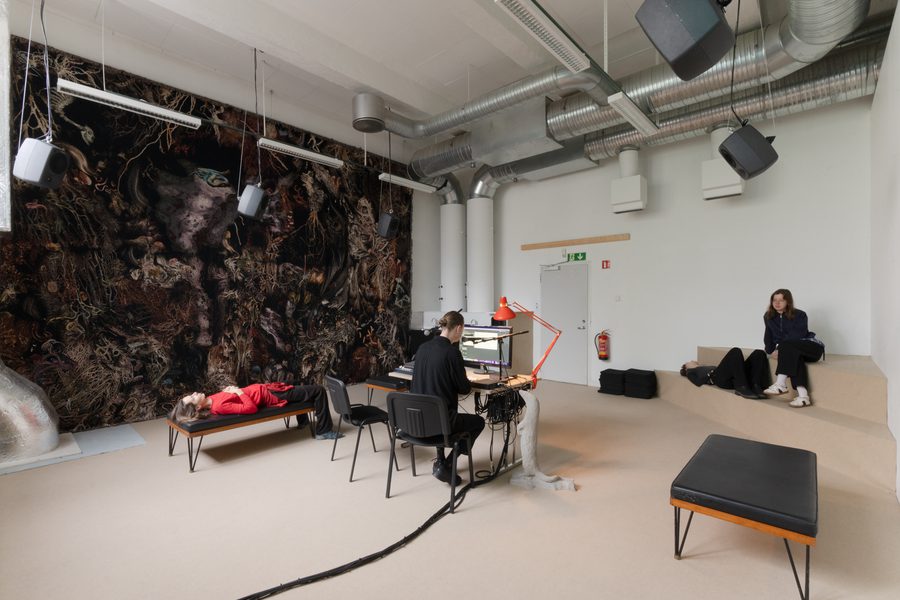
This is one of five free workshops as part of The Fallow Year, where Amber Ablett invites other artists to think about what creates rest for them, and use the exhibition's frame to explore that.
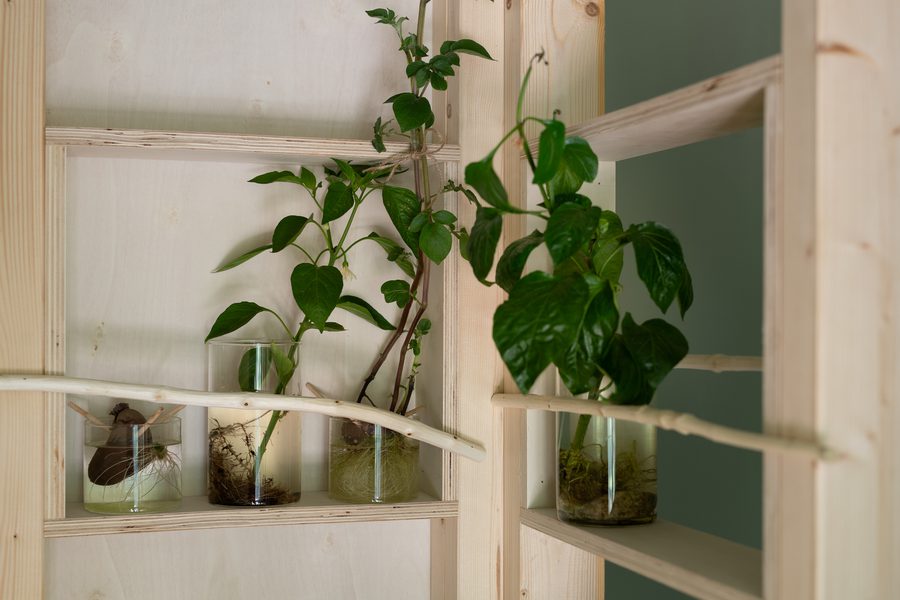
Do you have any memories of collecting wild flowers, daisies, dandelions or buttercups, and watching bees or flies flitting between them and crawling over the yellow pollen in the centre? This is a prime example of mutualism, where the insects get feed from the pollen and nectar in the flowers, and the flowers and plants are pollinated so they can produce seeds.
This workshop intends to explore rest as a space of safety and support. Please come with an open mind, and a willingness to engage in exchange with other kin in our ecological community.
The five gatherings that are part of The Fallow Year reflect on the exhaustion that can accompany having marginalised stories, and by creating space for people with shared experiences, identities or backgrounds, explore how community can offer moments of restoration and belonging.
About the host
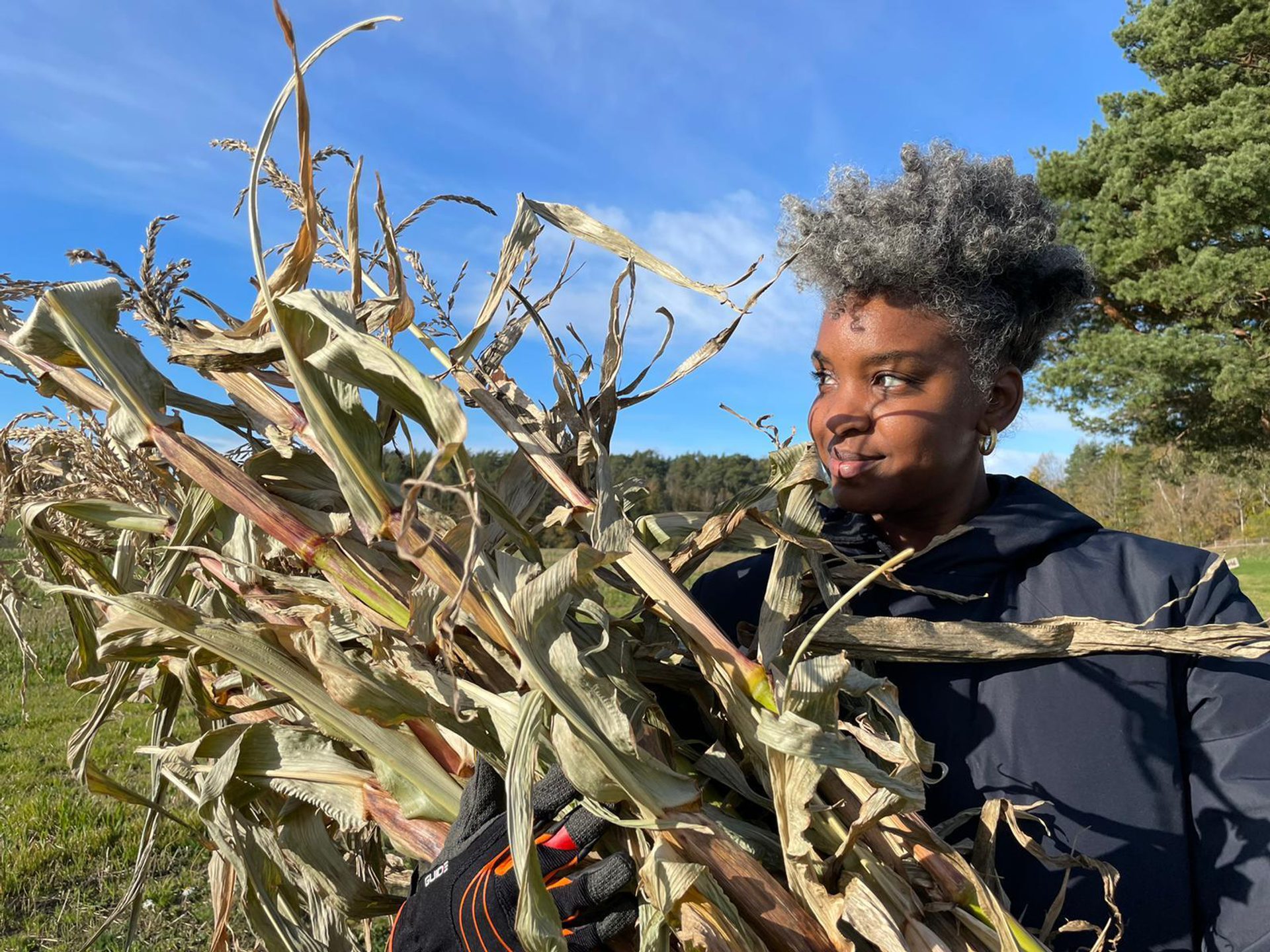
Ayesha Jordan is a multidisciplinary performance-based artist and creator. Most recently, alongside her collaborators, she has been developing a new project entitled Shasta Geaux Pop presents: Shasta Greaux Crops. She was awarded a Princeton Hodder Fellowship to support the development of this work. Her research has been based in applied permaculture studies, regenerative community/ecosystem formation and adaptation, event curation, and how these can be explored through performance, or how they can inform performance methodologies. Ayesha's artistic pursuits extend beyond conventional boundaries, intentionally amplifying marginalized voices, especially from the global majority and disenfranchised communities. Her work encompasses themes such as ritual-making, multigenerational knowledge and exploration, archives, legacy, and collaborative and cooperative modes of production.
About the exhibition
Click to read more about The Fallow Year