István Lisztes
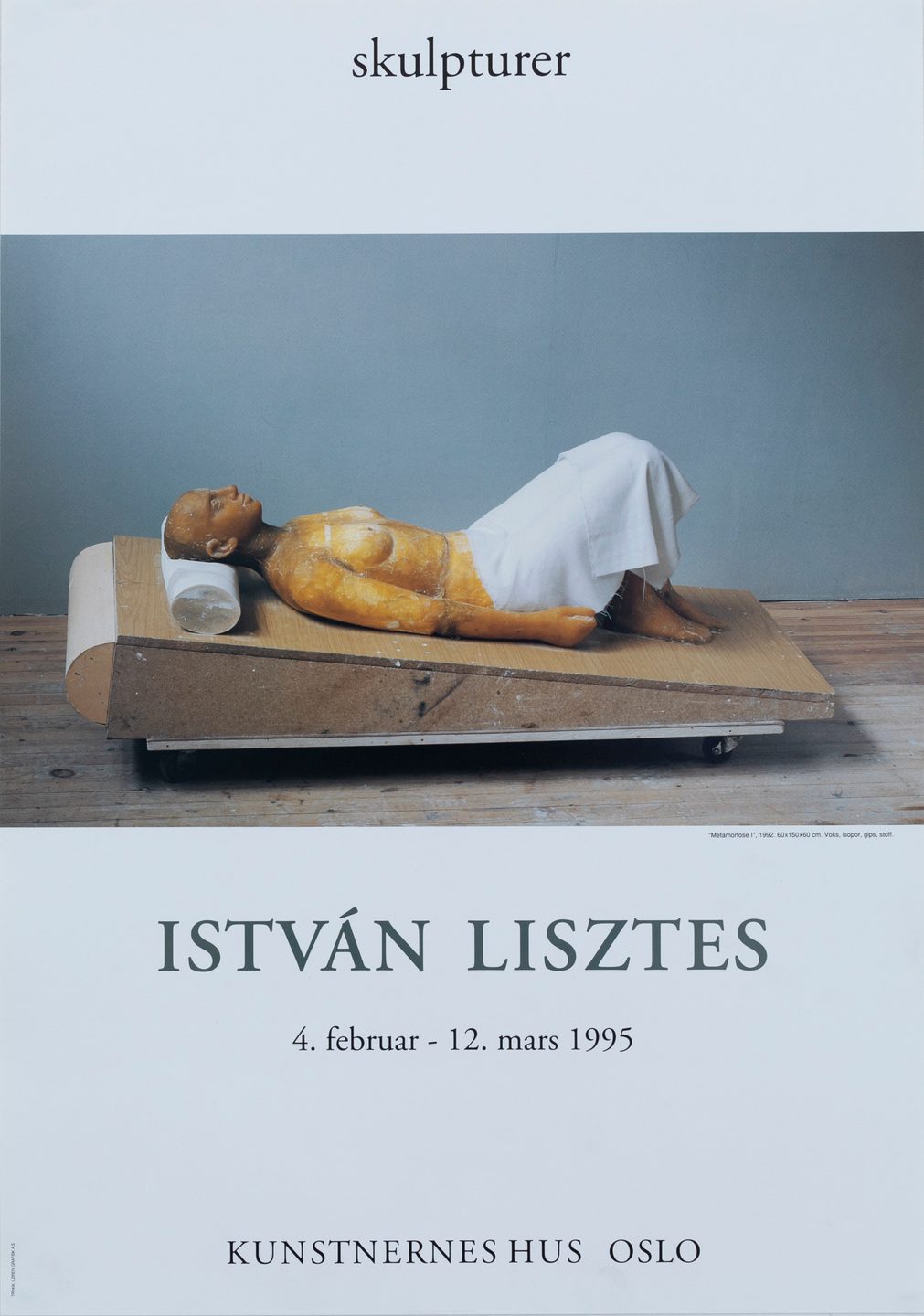
04.02.95 – 12.03.95
Istvan Lisztes
The exhibition
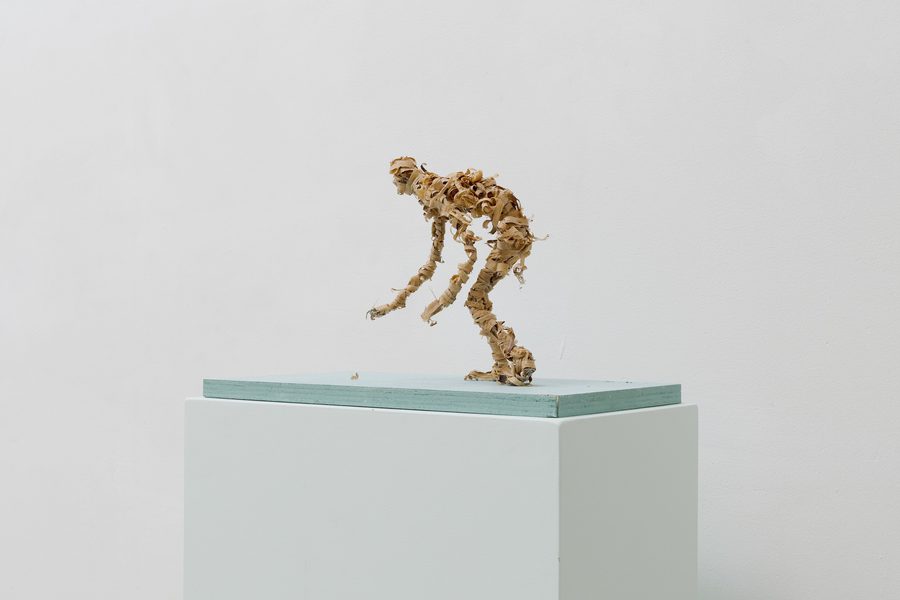
From autumn 1994 to summer 1995, Kunstnernes Hus sought to draw attention to artists working with traditional sculptural techniques to depict the human body. Other artists exhibited during this period included Kiki Smith and Per Palle Storm. István Lisztes presented plaster and wax figures in his exhibition, staging a kind of figurative theatre.
From the catalogue
«How does István Lisztes’ sculpture relate to these two main tendencies? The question must be posed because his work is not unambigiously archaic. The typology of the archaic, disciplined human figure is certainly the core of his work. A line can be traces from the Egypt of the Pharaohs, through the city-states of Greece, the luxurious and elegant Modern and Art Deco of the 1920’s to István Lisztes’ figures. In addition to western traditions, Lisztes work recalls the way in which quiet gestures, inner peace and devoutness are portrayed in Asian art, in Buddha figures, for example. Lisztes’ work is also related to that of postmodern “archaeologists” such as Anne and Patrick Poirier, artists for whom the past is a grave and patina is really PATINA, in the sense of something from outside, applied.
István Lisztes’ sculptures are something else as well. But not inspired by the constructivists tradition. Its insight and sensitivities are not found in the Hungarian-born and -educated artist’s method of approach. The bearing of his sculptures is careful. Not only careful but ambiguous and indeterminable, since their simple, frozen gestures are distant echoes of ritual rhythms that have survived over the centuries, in pre-Christian temple art and alterpieces and mosaics from the Middle Ages: gestures that no longer have any Sitz im Leben in our culture. Lisztes’ figures come quietly and as strangers into a room, which they occupy without becoming a part of. They fit in because the artist masters the aesthetic means necessary to create a visual and spatial correspondence.
(…)
By presenting his figures in plaster and wax as sculptures, Lisztes undermines the distinction between sketch and finished work. The unquestionable status of stone and bronze is suspended, in the sense that they are not prioritized and are not the final materials that the sculptures emerge in as “finished”.
(…)
Ambiguity in relation to the choice between the variety of styles, traditions and forms of understanding characterizes the situation for Norwegian and international artists today. István Lisztes’ artistry exhibits this ambiguity to a rare and large extent. Kunstnernes Hus, with these three exhibitions, wishes to show the large variation in traditional sculpture techniques today, and the great span between the works of those artists who view the human body´s form and expression as their highest artistic means. – Or goal?”
Åsmund Torkildsen, Director / Ståle Vold, Chairman of the Board
About the artist
Istvan Lisztes (b. 8 April 1942) is a Hungarian-Norwegian sculptor. He works primarily with metal, wood or stone, and his sculptures typically depict the human body in a strict, almost archaic formal language.