Dusk Air at Closing Time
An exhibition by Mohamed A. Gawad
03.09.26 – 05.09.26
03.09.26 – 05.09.26
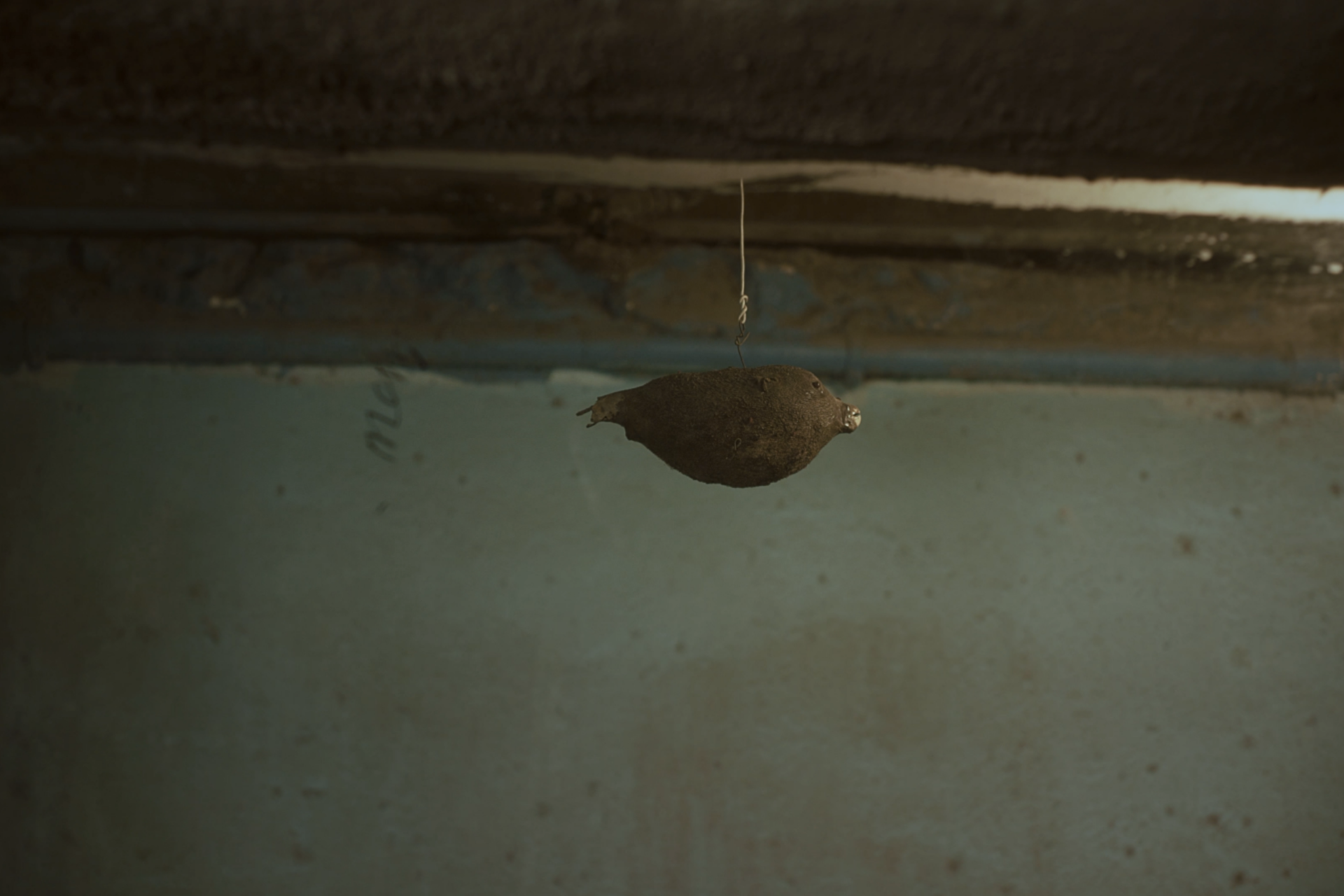
The exhibition Dusk Air at Closing Time by artist and filmmaker Mohamed A. Gawad results from his doctoral research project Temporal Fractures, which studies how colonial standardization, sociopolitical trauma, and bodily experience disrupt the sense of a continuous present. Rather than treating historical violence as an interruption after which continuity resumes, it examines how to inhabit the slow, perpetual transition in a present that resists closure.
About the exhibition
Dusk Air at Closing Time invites the visitor to experience the transition as a condition rather than a passing moment; a dusk that vibrates and echoes in place without turning into night. The title is drawn from Edward Said’s memoir, Out of Place, in which he accounts for his childhood memories of Cairo, recalling his mother’s voice reaching him at Zamalek’s Fish Grotto—known for its labyrinthine caves and tunnels—and himself undecided whether to answer or stay hidden a little longer at the end of a playday.
This hesitation, and the state of holding the interval open rather than resolving it, become a method throughout. The works in the show map the labor of perseverance within history’s hiding places, exploring strategies of ciphering and submergence, where acts of obscuring become deliberate tactics for survival. Dusk Air at Closing Time traces how subjectivities are forged upon facing sudden and irreversible ruptures. Within a present fractured by the collapse of a revolutionary horizon, they examine the resulting temporal limp as a way of moving through the world anew.
The exhibition comprises two new films: Dusk Air at Closing Time (39'18", 2025) and Letters of a Drowning Library (57', 2026) shown alongside Hindsight, Foresight 2, an installation of four cinematic frames with accompanying text (2026).
Moving between choreography, found footage, montage strategies, and the material lines marking the filmic body's scars, the exhibition refuses to treat histories as sealed, or defeats as final. What is proposed instead is an improvised infrastructure for navigating the transition, one that seeks out what still vibrates under the ruins.