The Secret Agent
+ 1 times
We want to use cookies that improve your experience on our site, help us analyze site performance and usage, and enable us to show relevant marketing content.
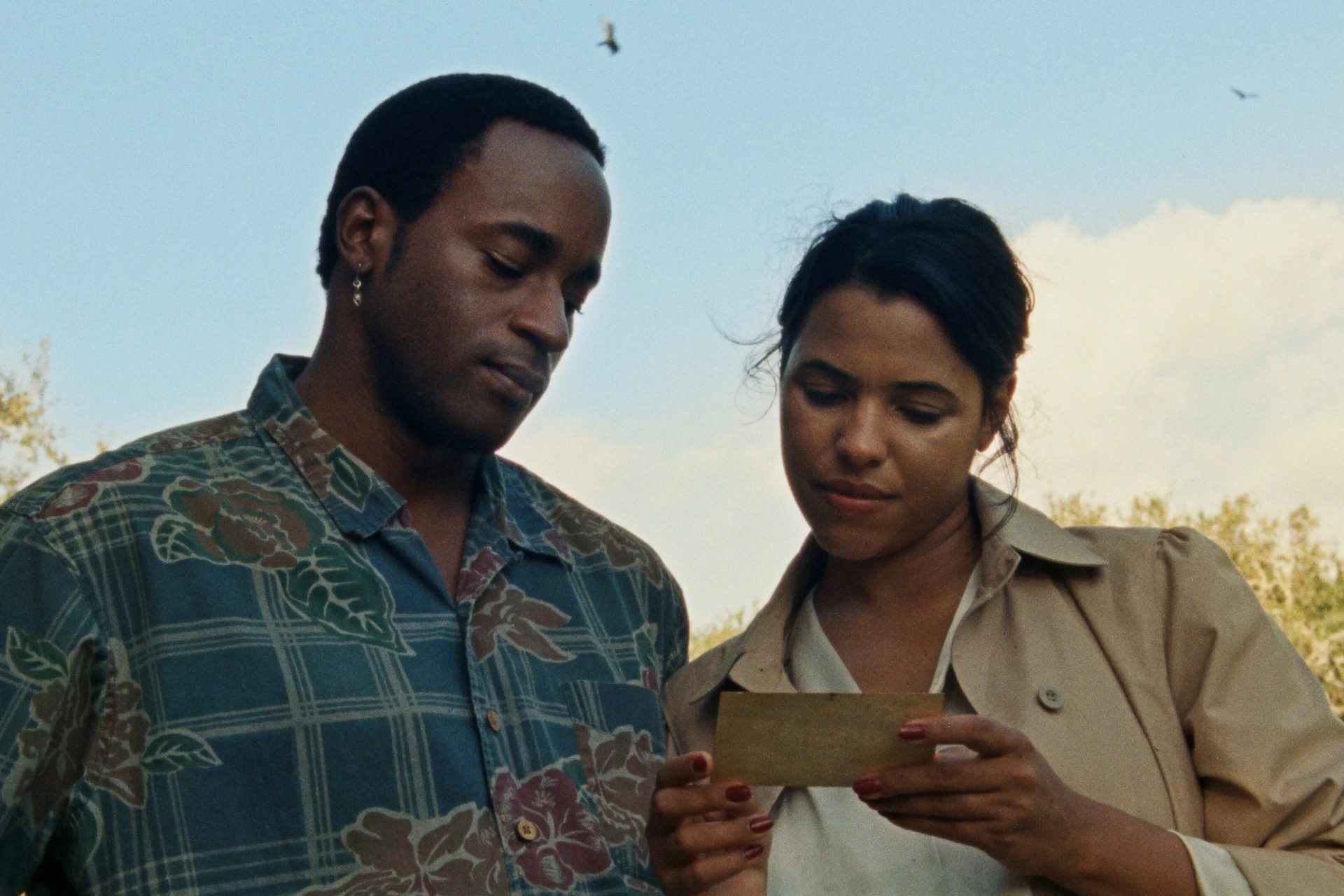
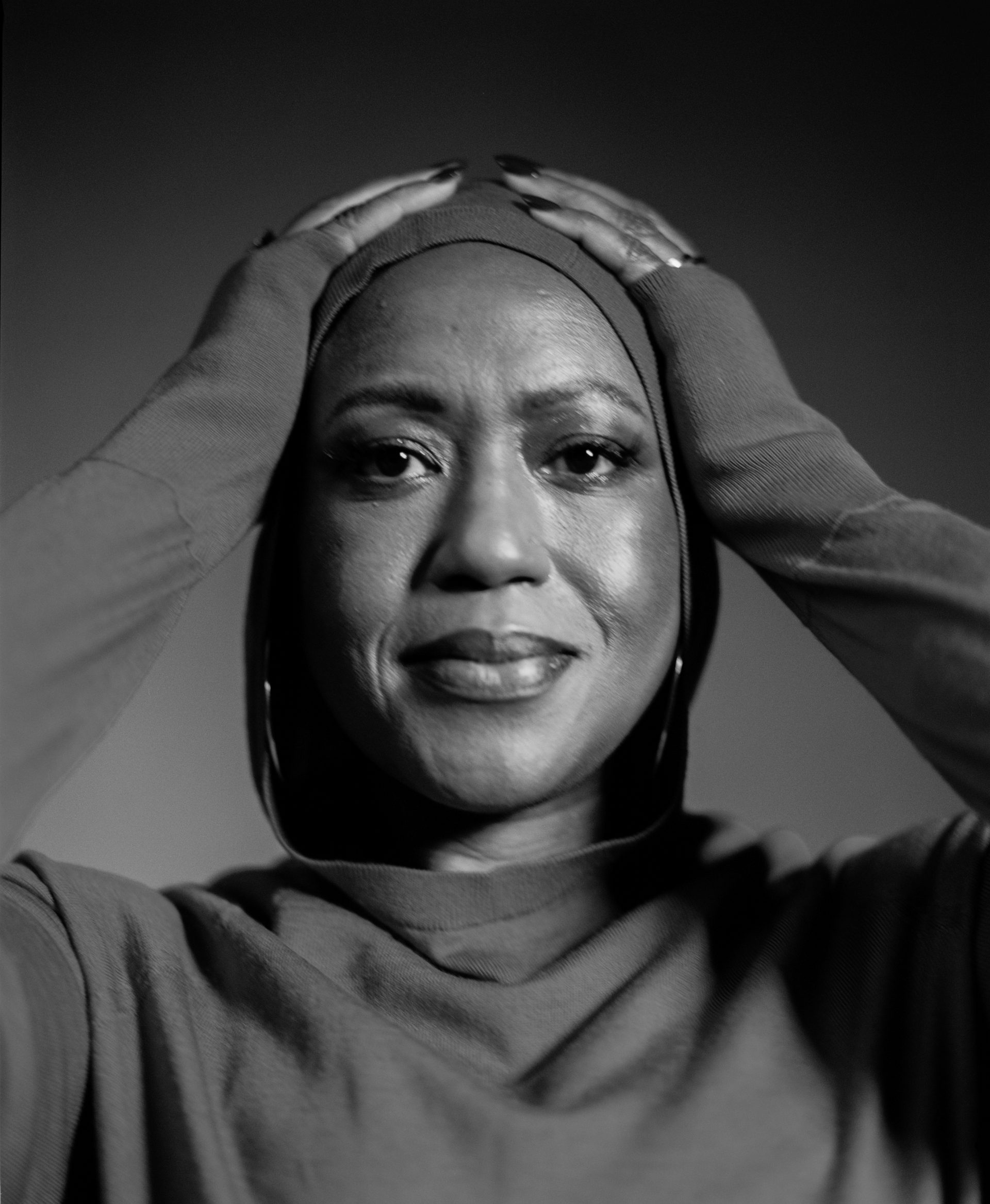
The Martinican writer and activist Suzanne Césaire called surrealism "the tightrope of our hope" – a metaphor for art as a balancing act between liberation and resistance. The Ballad of Suzanne Césaire (2024) by Madeleine Hunt-Ehrlich is a genre-defying portrait of an artist who didn't want to be remembered.
Before the screening, social anthropologist Michelle A. Tisdel will give a lecture on surrealism as a unifying force in anti-colonial movements and women's contributions to Pan-African liberation struggles.
Suzanne Césaire (1915–1966) was a writer, teacher, and activist from Martinique. As co-founder and editor of the dissident journal Tropiques, she used surrealism as a tool for anti-colonial resistance during the Vichy regime's occupation. She wrote seven essays for the journal – her entire published output. When Tropiques ceased publication after the war, she stopped writing, but never stopped teaching.
The Ballad of Suzanne Césaire is director Madeleine Hunt-Ehrlich's feature debut. "We are making a film about an artist who didn't want to be remembered," says actress Zita Hanrot, who moves between playing Césaire and being herself. Hanrot reads fragments of Suzanne's texts while caring for her own newborn child – a gesture that makes visible the invisible labour that has always marked the lives of working-class mothers, and that forges a bond between actress and "character": Suzanne Césaire was herself a mother of six.
The film challenges documentary conventions through lyrical sequences, historical re-enactments, and transgressions of the fourth wall. How do you make a film about someone who didn't want to be remembered? This question resonates throughout the work.
The lecture "Surrealism, the Tightrope of Our Hope" takes as its starting point Suzanne Césaire's famous phrase from the essay "1943: Le surréalisme et nous", in which she described surrealism as "the tightrope of our hope". Michelle A. Tisdel examines surrealism's role as a unifying movement in the fight against colonialism, with particular attention to women's often overlooked contributions to Pan-African liberation movements.
Michelle A. Tisdel is a social anthropologist (PhD) and Researcher II at the National Library of Norway. Her research interests include cultural policy, anti-racism, and Afrodiasporic archives and cultural heritage. She has researched Afro-Cuban cultural heritage in Cuban museums and the African-American artist and activist Ruth Reese in Norway.